What a vaporizer actually does
It holds cannabis at a temperature high enough to drive off cannabinoids and terpenes as a vapour and low enough that the plant material never combusts. Everything else — the app, the finish, the haptics — is packaging around that one job, and most devices do it less completely than their specifications suggest.
Conduction, convection, and both
A conduction oven heats the material by direct contact with a hot wall. It is simple, cheap, fast to warm up, and it cooks whatever is touching the wall harder than what is in the middle. A convection oven passes hot air through the material instead, which heats it evenly and tastes better, and costs more to build. Several devices do a little of both and call it a dual heater.
Why the oven style decides the draw
Conduction needs the load packed firmly against the wall, so an under-filled conduction oven performs badly and people blame the device. Convection needs air to move through the load, so an over-packed convection oven performs badly for the opposite reason. Half the complaints about either are really complaints about how it was filled.
Temperature is not the whole story
Every listing sells the temperature range, and the range is close to meaningless on its own. What matters is how much of what is in the flower the device actually gets into your lungs at that temperature, and the gap between devices is enormous.
What the recovery figures show
Lanz and colleagues at the University of Bern ran five commercial vaporizers on the same cannabis and measured what came out by gas chromatography. Set to an identical 210 °C, four electric devices recovered 54.6, 58.4, 66.8 and 82.7 per cent of the total THC into the vapour. Decarboxylation was near complete in all of them, at 97.3 per cent or better, so the difference is not chemistry. It is the oven.
Twenty-eight percentage points separate the best and worst of those four at the same setting. No dial on any of them closes that gap, which is why the oven design is the specification worth reading and the temperature range is the one on the box.
The 210 degree benchmark
That figure, 210 °C or about 410 °F, is close to the top of the range most dry-herb devices offer, and it is a useful line to measure a device against. A portable that stops at 215 °C is operating at the same temperature as the laboratory benchmark; one that claims 230 is offering you a setting you will rarely want.
Dry herb, extract, or a pod
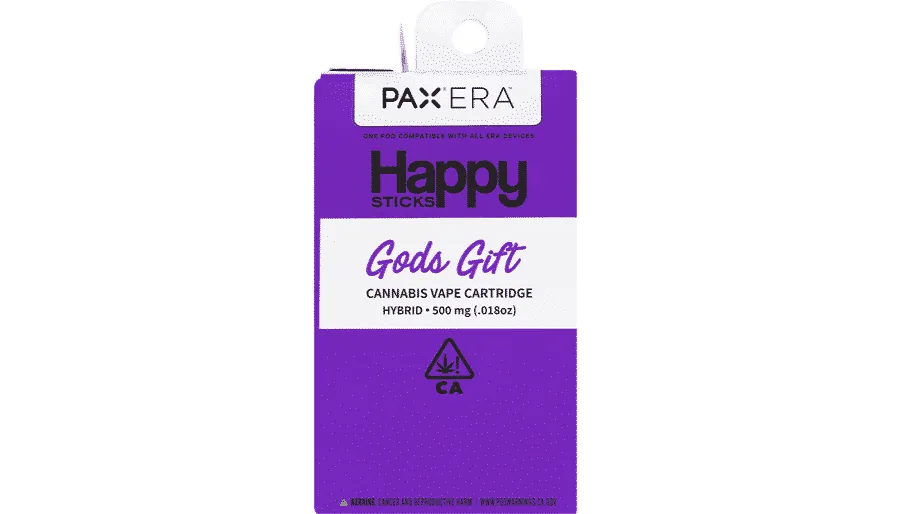
Three different machines share the word. A dry herb vaporizer has an oven you fill. An extract device heats a concentrate on a coil or a dish. A pod system takes a sealed, pre-filled cartridge and heats that. They are not interchangeable, and a dry-herb oven asked to handle an extract is the commonest source of disappointment in the category.
Pods and closed systems
A closed pod system fixes the cartridge, the coil and the battery as one designed assembly, so the manufacturer controls the temperature the extract sees. An open 510-threaded battery lets you put any cartridge on any battery, which is flexible, and which is also how a coil ends up running far hotter than whatever is in the tank was formulated for.
What the coil thermography found
Oar and colleagues pointed an infrared camera at cartridge coils through a simulated puff. A temperature-controlled pod system held 420 ± 9.5 °C at its highest setting and 246 ± 5.1 at its lowest. A variable-voltage battery at 4.0 V averaged 543 ± 95.9 °C; at 2.4 V it averaged 443 with a deviation of 56, and a fixed 3.2 V battery averaged 450.
Voltage control runs hot
Read those standard deviations rather than the averages. A temperature-controlled system varied by about ten degrees between puffs. A voltage-controlled one varied by nearly a hundred. That is the difference between a device that knows how hot it is and one that applies a fixed amount of electricity to a coil and hopes.
Portable against desktop
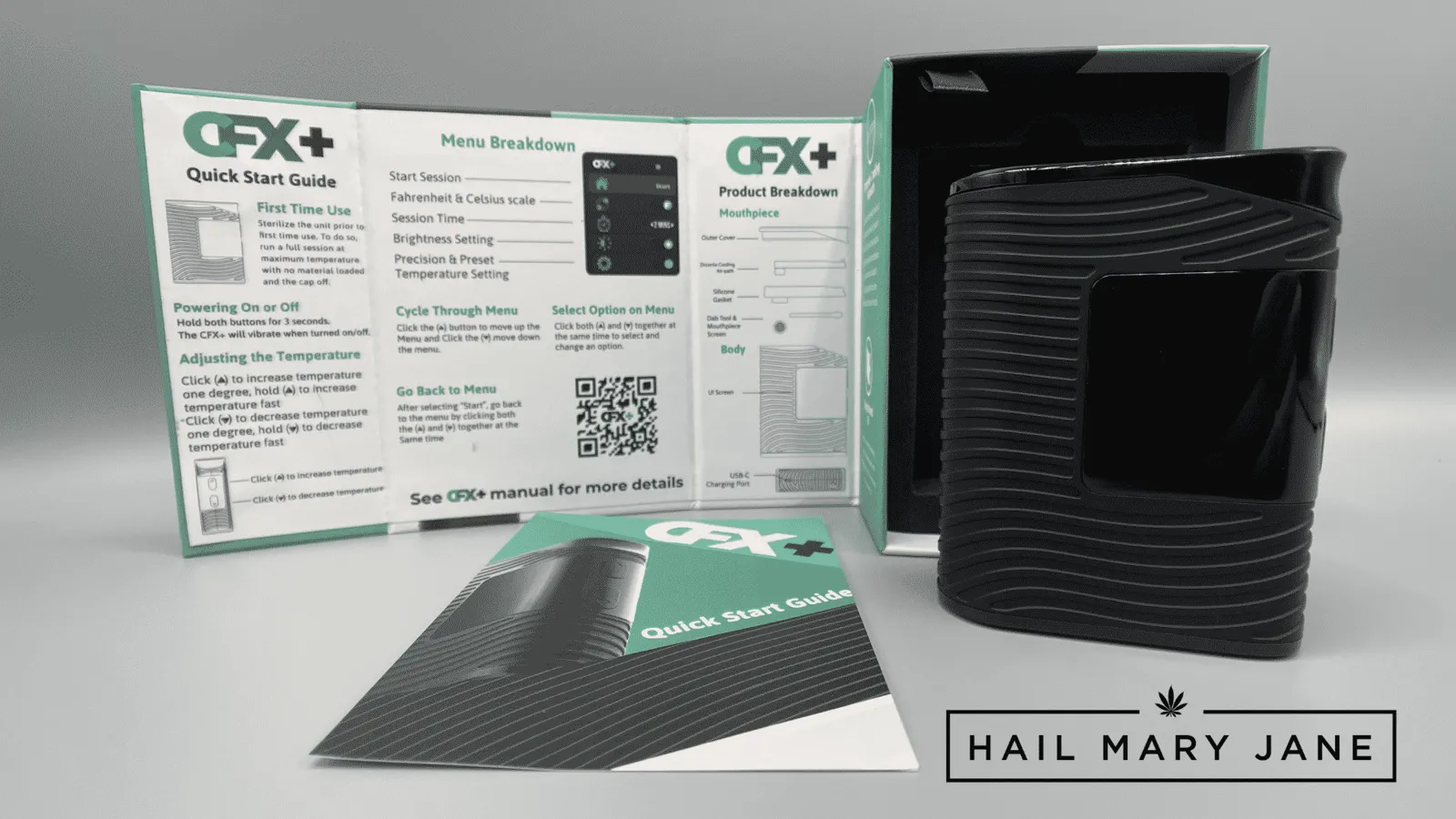
Desktop units plug into a wall, so they can run a proper convection heater without worrying about a battery, and they are the devices the laboratory studies use. Portables trade that away for a pocket. If the machine is going to live on a table, a desktop will out-perform anything in this guide at the same money; if it is going in a bag, none of that matters.
What a warranty tells you
It is the cheapest proxy for build quality on the page, because a manufacturer offering ten years has run the numbers on how often they expect one back. Two years is the category norm and anything under a year is a warning. Read what is excluded, though: sealed batteries usually are, and the battery is the part that fails.
Oven size and what it means
Portable dry-herb ovens run from about a fifth of a gram to half a gram. A large oven is not better: conduction ovens want to be full, so a half-gram chamber loaded with a tenth of a gram scorches the edges and does nothing to the middle. Buy the oven size that matches how much you actually use in a session, and look for a half-pack insert if you are between sizes.
Battery figures worth reading
Milliamp-hours tell you nothing across different heaters. Minutes of heating is the honest number, and sessions per charge is better still. Check whether the cell is replaceable, because a sealed lithium cell sets the lifespan of the whole device at a few hundred cycles no matter how well the rest of it is made.
Materials in the vapour path
Follow the air from the oven to your mouth and ask what it touches. Glass and stainless steel are inert. Ceramic is usually fine. Silicone mouthpieces are cheap, durable and the commonest reason a device tastes of something other than cannabis after the first draw. Anodised aluminium is fine for the body and should not be in the vapour path.
Grind matters more than people think
A conduction oven heats by contact, so surface area against the wall is the entire mechanism and an uneven grind gives you scorched pieces beside untouched ones. Grind finer than you would for a joint and pack it firmly. Our guide to grinders covers what to look for if you are still breaking it up by hand.
Cleaning, and when to do it
Resin condenses in the vapour path as soon as it leaves the oven, and it restricts airflow long before it looks dirty. Isopropyl alcohol and cotton buds on the removable parts, every few sessions rather than every few months. A device that has started to taste harsh is nearly always a device that needs cleaning rather than one that has failed.
Buying from a licensed source
For hardware this matters less. For anything pre-filled it matters more than every specification on this page put together: during the 2019 vaping outbreak, among patients who named a source for their THC products, 78 per cent had used only informal sources against 16 per cent who had used only commercial ones. We go through that in detail on THC cartridges.
What we review here
Hands-on reviews of individual devices, and the buying guides that compare them. We do not carry prices or stock, and we do not run a shop; for what is on a shelf near you and what it costs, that is BudFinders.