Select CBD
Pros
- The pen format is well designed and pleasant to use
- Essential-oil blends are clearly themed and easy to choose between
- Backed by a large cannabis company with the resources to test properly
Cons
- The brand site did not load securely when checked in September 2026
- Certificates could not be reached, so nothing about the range could be verified
- Blended products cannot tell you which ingredient did anything
What we found when we looked
A review of a CBD brand starts at the company’s own documentation, because that is where the certificates live. In this case the site returned an expired security certificate, which browsers present as a full-page warning and which stops most people before they see anything at all.
An expired certificate is not evidence of a bad product. It is evidence that nobody is minding the shop, and on a shelf where the buyer’s only protection is the paperwork a company chooses to publish, that is a reasonable thing to weigh.
What the brand is known for
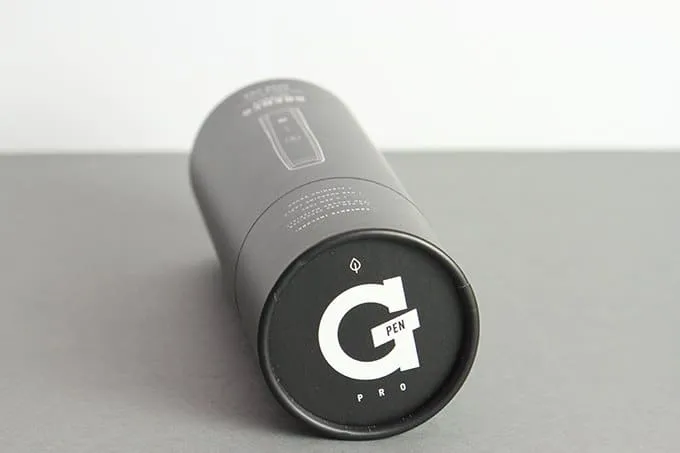
The pens are the product that made the name: small, disposable, and blended with essential oils sold as themes rather than as strengths — lavender, peppermint, grapefruit and similar. It was one of the first CBD products to be designed as a lifestyle object rather than as a supplement, and the format has been copied widely since.
Two things follow from that design, and neither is in the marketing.
- The essential oils are doing something. Lavender and peppermint have their own aroma literature, and they are what you notice first.
- A blend cannot tell you which part worked, which is the recurring problem with every themed CBD product on the market.
Inhaling it, and what that adds
A vape pen delivers CBD faster and more completely than anything swallowed, and a pen is the format where the amount taken is least knowable: a puff is not a unit, and the device decides how much vapour each one carries.
It is also the format with the most safety history attached. The 2019 lung injury outbreak was traced to vitamin E acetate in illicit THC cartridges, and independent analysis of CBD e-liquids has found undeclared compounds including a synthetic cannabinoid. Neither finding concerns this brand specifically; both are the reason a certificate matters more for inhaled products than for any other.
How this review was done
We did not buy these products and send them to a laboratory. Nobody should pretend otherwise, and a review that implies testing it has not done is worth less than no review. What we did instead is check what the company publishes — the certificates, what they cover, whether you can find the one matching the batch in your hand — and read what independent testers found when they bought the products themselves. The score below is for that, and nothing else.
What a certificate should carry
The same five things, on any brand:
- Cannabinoid content, with THC as a number rather than the phrase "THC free".
- Residual solvents left by extraction.
- Heavy metals, which hemp draws readily from soil.
- Pesticides, on an agricultural crop.
- A batch code and a date that match the container you were sent.
The last one is where most brands fall down. A page of laboratory reports is not the same as being able to look up your bottle, and the difference is the whole point of the document.
Who owns it, and why it matters
The brand sits within a much larger cannabis company, which in principle should mean more resources behind testing and compliance, not fewer. That makes the state of the public site harder to explain rather than easier, and it is why this review says what it found rather than what ought to be the case.
Reading any CBD brand in five minutes
The same five checks separate every company in this category, and they take about as long as reading a product description.
| Check | What a good answer looks like |
|---|---|
| Can you find the certificate for your batch? | A code on the pack that resolves to a report for that batch, not a page of recent reports. |
| What does the certificate cover? | Cannabinoids with a THC number, plus residual solvents, heavy metals and pesticides. |
| Who tested it? | An independent laboratory, ideally ISO 17025 accredited. That accreditation is about demonstrated competence, not marketing. |
| Milligrams per serving? | Stated per serving, not per container, so two products can be compared at all. |
| What else is in it? | Melatonin, ashwagandha, menthol, caffeine. A blend cannot tell you which ingredient did anything. |
A company that answers all five is not necessarily selling a product that works — nothing on a label can tell you that. It is selling one you can check, which on this shelf is the difference worth paying for.
Who it suits
Somebody who wants the ritual of a pen and likes the essential-oil blends, and who is not trying to measure a dose. The format is pleasant and the design is good.
It suits less well anybody who wants to verify what they are inhaling, which today means starting at a site that does not load. Until that is fixed, a brand publishing batch-level certificates you can actually reach is the safer purchase.
Verdict
A brand that helped define the CBD vape pen, reviewed at a moment when its own site would not load securely. That is not evidence of a bad product and it is a real obstacle: on this shelf the buyer's only protection is the paperwork a company publishes, and here none of it could be reached. The score reflects what can be verified today and would move if the site did. It is a score for verifiability, not for whether the products work.

Questions people ask
What is Select CBD best known for?
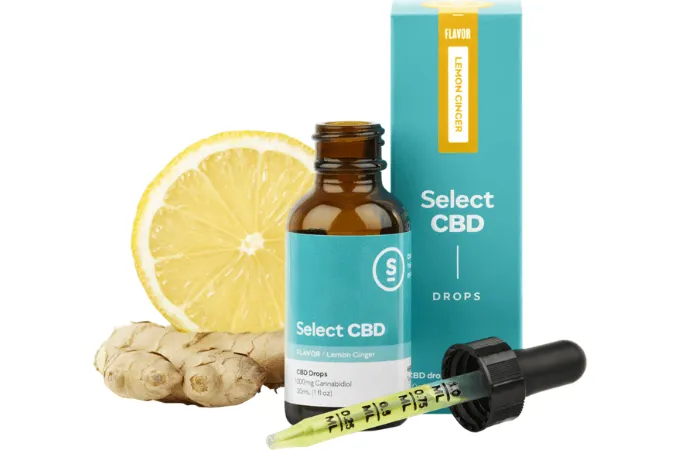
Vape pens blending CBD with essential oils, sold as themes — lavender, peppermint, grapefruit — rather than as strengths. It was among the first CBD products designed as a lifestyle object rather than a supplement.
Why does this review mention the website?
Because a CBD brand's documentation is where certificates live, and when we checked in September 2026 the site returned an expired security certificate. That is not evidence of a bad product; it is the reason nothing else could be verified.
Are the essential oils doing anything?
They are what you notice first, and lavender and peppermint have their own aroma literature. That is also the problem with any blend: it cannot tell you which ingredient produced whatever you noticed.
Is vaping CBD riskier than swallowing it?
It is the format with the most safety history attached. The 2019 lung injury outbreak was traced to a thickening agent in illicit THC cartridges, and independent analysis has found undeclared compounds in CBD e-liquids — which is why a reachable certificate matters most for inhaled products.
Sources
- Select CBD brand site, which returned an expired security certificate when checked in September 2026. accessed Sep 18, 2026
- Poklis JL, Mulder HA, Peace MR. The unexpected identification of the cannabimimetic, 5F-ADB, and dextromethorphan in commercially available cannabidiol e-liquids. Forensic Sci Int. 2019;294:e25-e27. accessed Sep 18, 2026
- Blount BC, et al. Vitamin E Acetate in Bronchoalveolar-Lavage Fluid Associated with EVALI. N Engl J Med. 2020;382(8):697-705. accessed Sep 18, 2026