What a vape pen actually is
A lithium cell with a switch, a threaded or magnetic connector, and a cartridge holding oil around a small heating coil. Power goes to the coil, the coil heats the oil, you inhale the vapour. There is no combustion and no flower. That is the entire mechanism.
The 510 thread, and what it means
Most cartridges use a common thread called 510, which means most batteries fit most cartridges. That interchangeability is the reason the category is cheap and the reason it is difficult: a battery that fits everything makes no promise about what you screw into it.
Open systems and closed pods
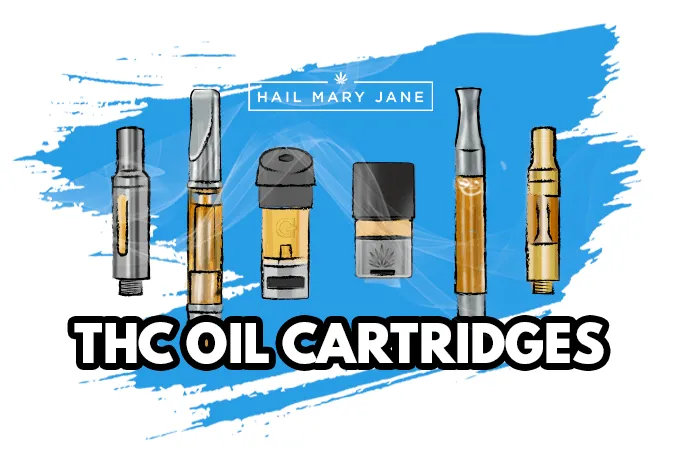
An open system is a 510 battery plus whatever cartridge you buy. A closed one takes only its own sealed pods, which means the manufacturer chose the coil, the oil and the power together. Our G Pen Gio review and Pax Era pods both go through what that trade costs and buys.
Disposables, and what they cost
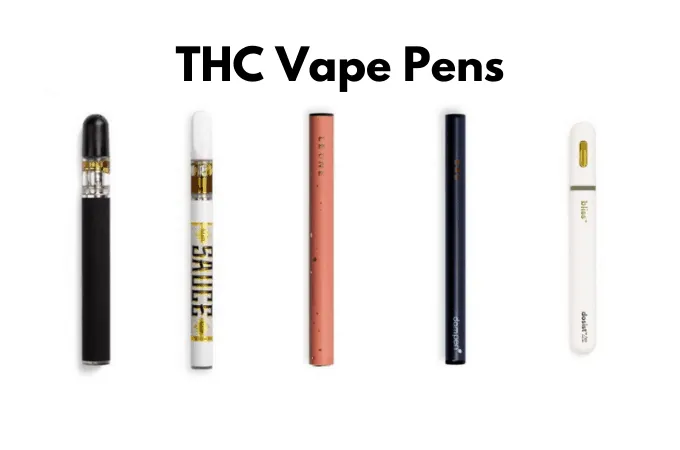
A disposable is a battery and a cartridge sold as one sealed unit and thrown away together. They are convenient, they are the cheapest way in, and over any period longer than a fortnight they are the worst value in the category, because you buy a lithium cell every time you buy oil. They are also the format counterfeiters prefer, for the same reason they are convenient: there is nothing on them to inspect.
Why the battery matters least
Because there is very little to it. Capacity determines how often you charge, a USB-C socket is better than micro-USB, and a button beats draw activation only if you want preheat. Spending more buys build quality and not much else. This is the one part of the category where the cheap option is genuinely fine.
Voltage is not temperature
The single most useful thing to understand, and the thing every product page gets wrong. A variable-voltage battery does not set a temperature; it sets a power, and the temperature that results depends on the coil in the cartridge you happened to screw on.
What the thermography found
Oar and colleagues put an infrared camera on cartridge coils through simulated human puffs. A temperature-controlled pod system held 420 °C to within about ten degrees. Voltage- controlled batteries averaged between 443 and 543 °C, and swung by fifty to a hundred degrees from one puff to the next. Same nominal setting, wildly different coils.
Why that swing matters
Because chemistry is temperature-dependent, and an oil held steady at one temperature is not the same as an oil taken a hundred degrees past it and back on every draw. It also explains the universal complaint that the same voltage tastes different on two cartridges. It is not the oil. It is the coil.
Distillate against live resin
Distillate is stripped to near-pure cannabinoid and has terpenes added back, which is why it can taste of anything at all. Live resin and rosin carts keep the material from the original extraction, cost more, and taste of the plant. Neither is better; they are different products, and the labelling is the only way to tell them apart.
What gets added to thin oil
Cannabis extract is thick, and thinning it makes it flow through a small coil. What it is thinned with is the entire safety question in this category, and a legal product will name it. An unlabelled cartridge that flows suspiciously freely is telling you something.
Terpenes, added back
Distillate arrives almost odourless, so whatever it tastes of afterwards was put back into it. Sometimes that is cannabis-derived terpenes from the same material; sometimes it is botanical terpenes from other plants entirely. Both are lawful and both get labelled when a producer chooses to label them. A cartridge that tastes emphatically of a fruit which does not grow on a cannabis plant has told you which one it is.
What the outbreak identified
Vitamin E acetate, used as a thickener in illicit cartridges, was identified in the bronchoalveolar-lavage fluid of patients in the 2019 vaping-injury outbreak. That is what turned a list of suspects into one. It was not a property of vaping, or of THC, or of hardware; it was something that had been put in cartridges by people outside any testing regime.
Where the cartridges came from
The distribution of sources is the part worth remembering. Among 2019 outbreak patients who named where their product came from, 78 per cent had used informal sources only. The pattern in the data is about supply chain rather than about technology, and it has not changed since.
Reading a certificate of analysis
A legal cartridge has one, and it should cover potency, residual solvents, pesticides, heavy metals and microbials for that batch. What you are looking for is the batch number matching the one on the package and a date that is recent. A certificate for a different batch is not a certificate for yours.
Hardware, and the metals question
Heavy metals testing exists on a cartridge certificate because the cartridge itself is a possible source, not only the oil. Coils, wicks and housings sit in contact with a solvent-like liquid for months. It is a reason to buy cartridges that were tested as assembled units rather than oil that was tested before it went into unknown hardware.
Why a window is worth having
Glass cartridges let you see the oil, and what you are looking at is colour and movement. Very dark oil is old or was made from poor material; oil that runs like water has been thinned a great deal. Neither observation settles anything on its own, and both are more than a sealed plastic pod will ever tell you, which is the one argument the open format still wins outright.
Clogging, and why it happens
Thick oil, a cold cartridge and a hard draw together pull oil into the airway where it cools and sets. Warming the cartridge in your hand for a minute fixes most of it, and a short preheat cycle fixes the rest. Drawing harder makes it worse, which is the opposite of what everyone does.
Storing a cartridge upright
Upright, capped, and out of the heat. Oil that migrates past the seals on its side is oil that leaks into the battery connector, and heat thins the oil and accelerates the migration. A cartridge left in a hot car is a cartridge that will leak.
When a cartridge is finished
The last of the oil is the worst of it. A nearly empty cartridge runs its coil hot against very little liquid, and that is what produces the burnt taste people push through on the final few draws. There is nothing down there worth the taste of it. Take the loss and change the cartridge.
Flying with one
The battery has to go in the cabin, because lithium cells are not permitted in checked baggage. The cannabis part is a separate question entirely and depends on where you are flying from and to, which is not something a product page can answer for you.
How to buy one, in short
Buy the cartridge first and let it pick the battery, rather than the other way round. Buy it from a licensed shop, which handles the one variable the data actually implicates. Check the batch number against the certificate. Prefer a system where the coil and the oil were designed together if you would rather not think about voltage. And spend the money on the oil.

Questions people ask
Does a higher voltage mean a higher temperature?
Not reliably. Voltage sets power, and the temperature that results depends on the coil in whatever cartridge is attached. Infrared thermography of cartridge coils found voltage-controlled batteries averaging 443 to 543 °C and swinging by fifty to a hundred degrees between puffs, where a temperature-controlled pod held its set point to within about ten. The same setting on two cartridges is not the same thing.
What made people ill in the vaping outbreak?
Vitamin E acetate, a thickening agent found in illicit cartridges, was identified in the bronchoalveolar-lavage fluid of patients in the 2019 outbreak. It was not a property of vaping, of THC or of the hardware. Among patients who named where their product came from, 78 per cent had used informal sources only, which is why buying from a licensed shop addresses the variable the data actually implicates.
How do you stop a THC cartridge clogging?
Warm it and draw gently. Clogging happens when thick oil is pulled into the airway of a cold cartridge and sets there, and a hard draw makes it worse rather than better. A minute in your hand, or a short preheat cycle if the battery has one, clears most of it. Storing the cartridge upright and out of heat avoids most of the problem to begin with.
What should be on a THC cartridge certificate?
Potency, residual solvents, pesticides, heavy metals and microbials, for the batch number printed on your package, with a recent date. Heavy metals are on that list because the cartridge hardware is a possible source and not only the oil, which is a reason to prefer products tested as assembled units rather than oil tested before it went into unknown hardware.
Sources
- Oar MA, Savage CH, Rufer ES, Rucker RP, Guzman JA. Thermography of cannabis extract vaporization cartridge heating coils in temperature- and voltage-controlled systems during a simulated human puff. PLoS One. 2022;17(1):e0262265. accessed Sep 18, 2026
- Blount BC, et al. Vitamin E Acetate in Bronchoalveolar-Lavage Fluid Associated with EVALI. N Engl J Med. 2020;382(8):697-705. accessed Sep 18, 2026
- Krishnasamy VP, et al. Update: Characteristics of a Nationwide Outbreak of E-cigarette, or Vaping, Product Use-Associated Lung Injury - United States, August 2019-January 2020. MMWR Morb Mortal Wkly Rep. 2020;69(3):90-94. .gov accessed Sep 18, 2026
- Outbreak of Lung Injury Associated with the Use of E-Cigarette, or Vaping, Products. Centers for Disease Control and Prevention: final case counts as of 18 February 2020. .gov accessed Sep 18, 2026