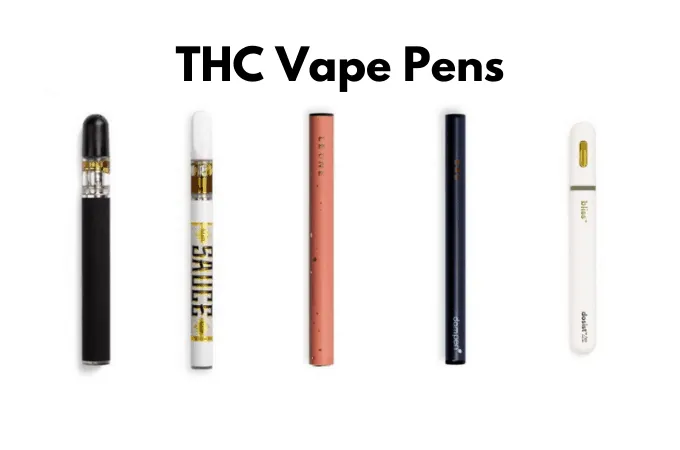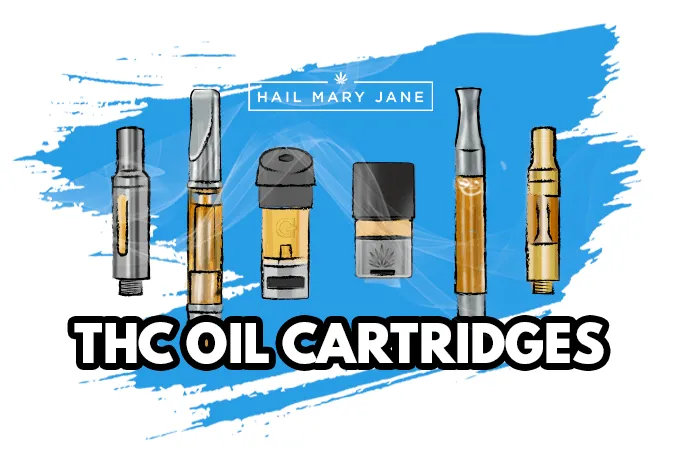
The name covers two things
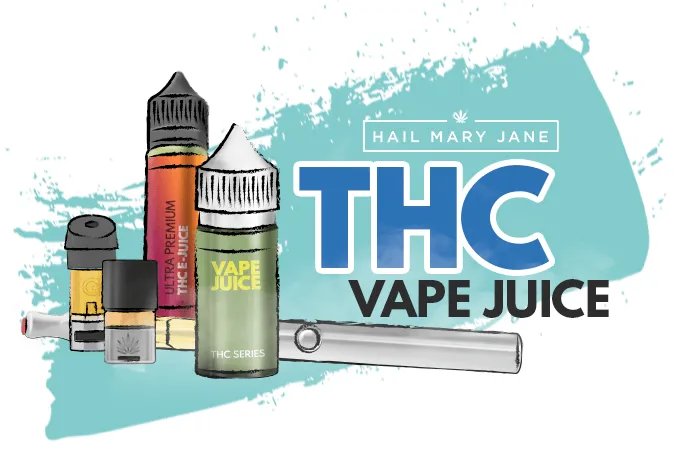
Ask for THC vape juice and you may be offered a cartridge of distillate and terpenes, or a bottle of something thin enough to drip into a refillable tank. They behave differently, they carry different risks, and only one of them has a real reason to exist.
Distillate is not e-liquid
Refined cannabis oil is viscous, close to honey at room temperature. Nicotine e-liquid is watery. Anything sold as THC juice that pours like e-liquid has had something added to make it do that, and the amount added is usually substantial.
What a thinning agent does
It lowers viscosity so the liquid wicks properly at a given coil temperature. It also dilutes the cannabis oil, which is why it is attractive to whoever is filling the bottle: it makes the expensive part go further while keeping the tested THC figure plausible.
The agents that have been used
- Propylene glycol and vegetable glycerine, the standard nicotine e-liquid bases, studied at length in that use and much less in this one.
- Polyethylene glycol, which raised concerns over what it becomes when overheated.
- Medium-chain triglyceride oil, a coconut-derived oil that is entirely fine to eat and is not designed to be inhaled.
- Vitamin E acetate, the one that did the damage.
Vitamin E acetate, specifically
It is a cheap, thick, oily substance that looks and behaves enough like cannabis oil to pass. It was found in the lung fluid of 48 of the 51 EVALI patients the CDC tested, and in none of the healthy comparison group. The outbreak reached 2,807 hospitalised cases or deaths and 68 confirmed deaths before it subsided.
Why thin oil is a warning sign
This is the single most practical thing on the page. Cannabis distillate is thick. A bubble moves slowly through it when the cartridge is turned over. A liquid that runs freely has been cut with something, and during the outbreak the cutting agent was exactly what was killing people.
What heat does to terpenes
Terpenes are not inert when heated. Meehan-Atrash, Luo and Strongin heated common cannabis terpenes under realistic conditions and detected methacrolein, benzene, methyl vinyl ketone, 1,3-butadiene and others among the degradation products, with more forming as the temperature rose.
The temperature you can control
That finding has one actionable consequence: run the device cooler. Lower voltage means less vapour and better flavour, and less of the chemistry above. Every variable-voltage battery is effectively a degradation dial, and most people leave it at the top.
Refilling a cartridge
Refillable tanks exist and are legitimate. The risk is not the refilling; it is that the liquid going in is usually the least traceable product in the category, sold in a bottle with no batch number and no certificate attached to it.
Homemade juice, and why not
Recipes for making vape liquid at home circulate widely and they share one flaw: there is no way to test what comes out. Home extraction leaves solvent behind at levels nobody measures, and the thinning step is the same step that went wrong at commercial scale.
Nicotine devices are not this
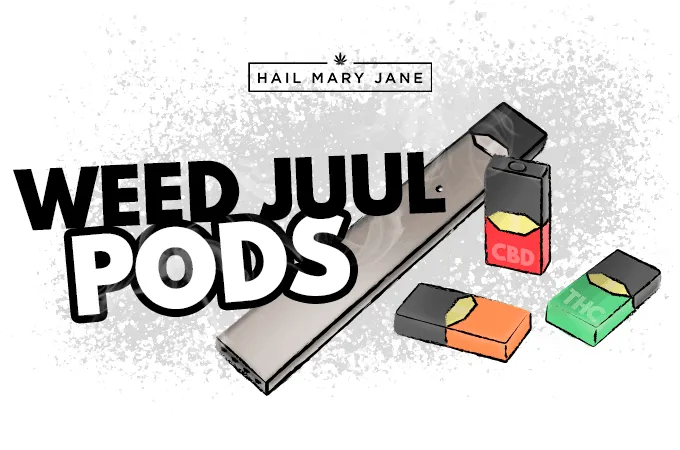
Hardware built for thin nicotine e-liquid runs hotter and wicks differently from hardware built for cannabis oil. Putting one liquid in the other device is where dry wicks, leaks and scorched coils come from. See what is actually sold as a JUUL THC pod for the sharpest version of that mismatch.
Reading a certificate
The same checks as any concentrate: a batch number matching the package, a third-party laboratory, a date after the batch was made, and panels for residual solvents, pesticides and heavy metals as well as cannabinoids. A certificate with no batch number is a document about someone else’s liquid.
Potency claims and the label
A percentage on a diluted liquid is a percentage of a mixture, and the mixture is the thing in question. It is the number that stays impressive while the product gets worse, which is why it is printed so large.
What a dose looks like here
There is no serving size on an inhaled product. What arrives depends on the concentration, the temperature, how long the draw lasts and how much of it reaches the lungs. The only workable approach is one short draw, then several minutes of waiting.
Onset, and the stacking mistake
Inhaled THC arrives within minutes and peaks inside half an hour, which is the one genuine advantage of the format: it is possible to stop. Most uncomfortable experiences with it come from taking the second and third draw before the first has landed.
The smell, and what it tells you
Vapour from a cut liquid often smells faintly sweet or of nothing much, where a terpene-rich cartridge smells of the plant. It is not a test, and it is a first impression worth having.
Where the phrase came from
“Vape juice” is borrowed vocabulary. It belongs to nicotine vaping, where the liquid genuinely is a thin juice of propylene glycol, glycerine, flavouring and nicotine, and it was carried across to cannabis because it was the word people already had.
The borrowing is not harmless. It brings with it an expectation that the liquid should be thin and should refill a tank, and both of those expectations push in the direction of the cutting agents this page is about.
What a solvent panel is
Extraction uses something to pull the cannabinoids out of the plant — butane, propane, ethanol, carbon dioxide — and some of it stays behind. A residual solvent panel measures what is left against a stated limit for each one.
It is the single test most specific to concentrates, and the one most often missing from a certificate that otherwise looks thorough.
The coil, and what it adds
Whatever the liquid touches while hot is part of the product. Heating elements, solder joints and poor-quality alloys are where the heavy metals on a test panel come from, which is why that panel belongs on a certificate even though it describes the hardware rather than the oil.
Why the market moved to carts
A sealed cartridge can carry a batch number, and a bottle of liquid poured into somebody else’s tank cannot. After the outbreak, that traceability became the whole argument, and the loose-bottle format never recovered the ground it lost.
Storage and shelf life
Light and heat degrade both the cannabinoids and the terpenes, and the terpenes go first — which is why an old cartridge tastes flat before it feels weak. Cool, dark and upright.
Disposal, briefly
A cartridge is a battery-adjacent electronic device with a heating element and, in a disposable, a lithium cell. Household waste is the wrong destination for it, and many licensed retailers take them back.
What this page will not tell you
How to make it. The thinning step is the step that caused the outbreak, home extraction cannot be tested, and there is no version of those instructions that is responsible to publish. What the page will do is tell you how to look at a bottle someone else filled.

Questions people ask
What is THC vape juice made of?
Cannabis distillate plus terpenes for flavour, and in thinner products a solvent to lower the viscosity. Propylene glycol, vegetable glycerine, polyethylene glycol, MCT oil and vitamin E acetate have all been used as thinning agents; the last of those caused the 2019 outbreak.
Why is my THC oil so runny?
Because something was added to make it that way. Cannabis distillate is thick enough that a bubble moves slowly through an inverted cartridge. A liquid that runs freely has been cut, and during the outbreak the cutting agent was the hazard.
Is vaping THC at a high temperature worse?
Heating cannabis terpenes produces degradation products including methacrolein, benzene and methyl vinyl ketone, and more of them form as the temperature rises. Running a variable-voltage battery on a lower setting gives better flavour and less of that chemistry.
Can I put THC oil in a nicotine vape?
Hardware made for thin nicotine e-liquid wicks and heats differently from hardware made for cannabis oil, which is where dry wicks, leaks and burnt coils come from. The mismatch is also what makes third-party pods for closed nicotine devices a poor idea.
Sources
- Outbreak of Lung Injury Associated with the Use of E-Cigarette, or Vaping, Products. Centers for Disease Control and Prevention. Final case counts as of 18 February 2020. .gov accessed Sep 18, 2026
- Blount BC, et al. Vitamin E Acetate in Bronchoalveolar-Lavage Fluid Associated with EVALI. N Engl J Med. 2020;382(8):697-705. accessed Sep 18, 2026
- Meehan-Atrash J, Luo W, Strongin RM. Toxicant Formation in Dabbing: The Terpene Story. ACS Omega. 2017;2(9):6112-6117. accessed Sep 18, 2026
- Raber JC, Elzinga S, Kaplan C. Understanding dabs: contamination concerns of cannabis concentrates and cannabinoid transfer during the act of dabbing. J Toxicol Sci. 2015;40(6):797-803. accessed Sep 18, 2026