What it actually is
A reduction in how much saliva you are producing, not a shortage of fluid in the body. The sensation is identical to being thirsty, which is why everyone reaches for a drink, and the mismatch between how much water people drink and how little it helps is the clue.
Why water disappoints
Water wets the mouth and then drains. Saliva coats it and stays, because it is viscous and because it keeps being produced. Replacing the second thing with the first is like replacing oil with water: briefly similar, and gone almost immediately.
You are not short of water. You are short of saliva, and those are not the same problem.
Sour things work
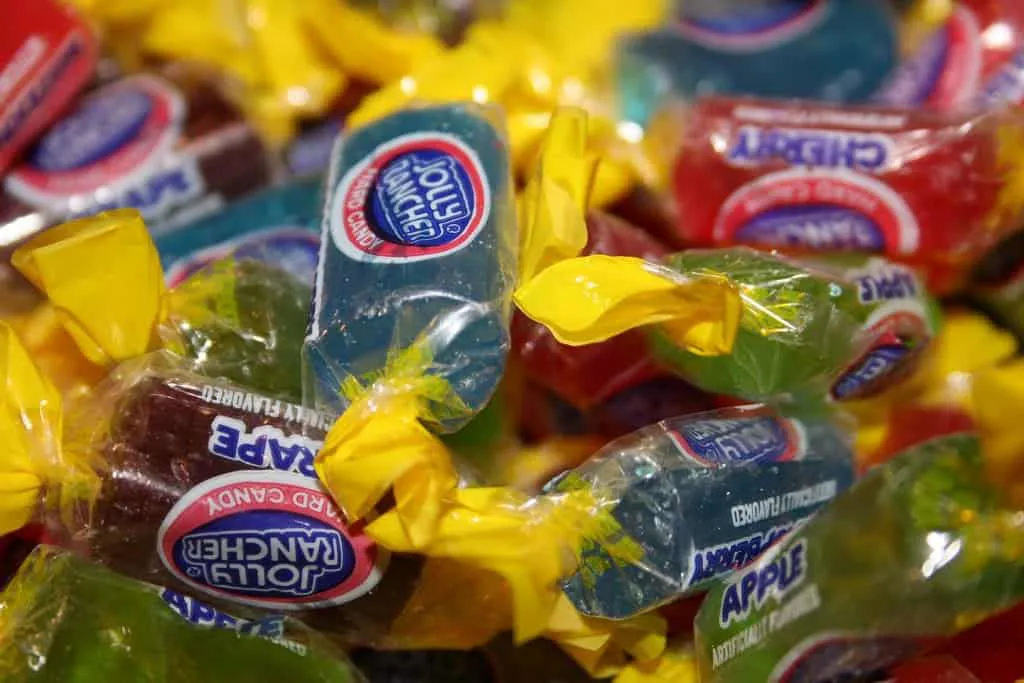
The most effective single thing, and the most reliable. A sour sweet, a slice of lemon, anything sharp. Sour taste is a strong stimulus for saliva production, which is why it works when plain water does not, and why it works within seconds rather than minutes.
Chewing works too
Gum, or anything that keeps the jaw moving. The mechanical action prompts production on its own, which is why sugar-free gum is the standard advice for dry mouth generally. Combining the two — sour, sugar-free gum — is the most effective cheap answer there is.
The air matters
Smoking is dry hot air drawn repeatedly across the mouth, and a heated room in winter is dry air all night. Both make the sensation considerably worse independently of anything else. A humid room or simply breathing through the nose between draws makes a bigger difference than people expect.
What makes it worse
Alcohol, caffeine and salty snacks, all of which are the things most likely to be within reach. None of them causes cottonmouth, and all of them add to it. If the plan involves any of the three, the gum is doing more work.
Cold water over hot drinks
If you are going to drink something, cold and unsweetened beats hot and sweet. Sugary drinks leave a film that makes the mouth feel worse once the drink is gone, and hot drinks are drying in their own right. Iced water with something sour in it is the best version of the obvious answer.
Method changes it
Anything that cools the smoke or reduces how much hot dry air passes through the mouth reduces the effect. A water pipe cools the draw; a vaporizer runs far cooler than combustion. Neither removes it, because the mechanism is not only the air, but both make it milder.
Edibles do it too
Which is the clearest evidence that the air is not the whole story. People who have inhaled nothing at all report the same dry mouth, so blaming the smoke entirely does not survive contact with how edibles behave.
It is not a sign of anything
Dry mouth is not a measure of strength, quality or how much you have had. People read it as a signal and it is not one: it varies with the room, with what you drank earlier, with how you were breathing and with the format. A harsh dry mouth after a mild evening means the air was dry, not that something was unusually strong.
When it is not just cottonmouth
Persistent dry mouth that continues when you are not consuming anything is worth mentioning to a dentist or a doctor, because saliva does real work in protecting teeth and a long-running shortage of it has consequences. That is a different situation from an evening of it.
Xylitol gum specifically
If you are buying gum for this, sugar-free with xylitol is the one dentists recommend for dry mouth generally, because sugar in a low-saliva mouth is worse than sugar in a normal one. Saliva is what normally washes it away, and when there is less of it the sugar sits.
Why your teeth care
Saliva does real work: it buffers acid, carries minerals and clears debris. An evening of reduced saliva is nothing; a nightly habit of falling asleep with a dry mouth and unbrushed teeth is a different proposition, and it is the part of this that has consequences beyond comfort.
Before, not after
The gum and the water work far better started early than deployed in a panic. Having something sour to hand before you begin, rather than going to find it twenty minutes in, is most of the difference between mild and miserable.
What to keep to hand
Sugar-free gum, preferably sour. Cold water, unsweetened. Something sharp to suck on. That is the whole kit, it costs almost nothing, and it works considerably better than the pint of water everybody reaches for first.

Questions people ask
Why does weed give you cottonmouth?
Because saliva production drops, not because you are dehydrated. The sensation is indistinguishable from thirst, which is why everybody reaches for a drink and why the drink helps so briefly. The clearest evidence that it is not about fluid or about smoke is that people who have eaten an edible and inhaled nothing report exactly the same thing.
Does drinking water help cottonmouth?
Barely, and not for long. Water wets the mouth and drains; saliva is viscous, coats the mouth and keeps being replaced. Cold unsweetened water is better than hot or sugary drinks, which leave a film that makes things feel worse afterwards, but the thing that actually helps is anything that restarts saliva production.
What is the fastest thing for cottonmouth?
Something sour. Sour taste is a strong stimulus for saliva and works within seconds where water does not. Sugar-free gum works on a different mechanism — the chewing itself prompts production — so sour sugar-free gum does both at once and is the most effective cheap answer available.
Can you avoid cottonmouth altogether?
Reduce it rather than avoid it. Cooling the draw helps, so a water pipe is milder than a dry pipe and a vaporizer is milder than combustion, but none of them removes it because the air is only part of the mechanism. Avoiding alcohol, caffeine and salty snacks alongside makes more difference than most people expect.