The permit comes first
Almost every licensed state requires people working for a cannabis licensee to hold an individual credential — the names differ, agent card, worker permit, badge — and it is issued to you rather than to the employer. It normally involves a background check and a fee, and in several states you cannot be on the premises without it.
Check your own state first
This is the one piece of homework that changes everything else. Rules differ by state and they move; some states issue to individuals directly, some route it through the employer, and a few have no individual requirement at all. Your state regulator publishes the answer, and it is the only source worth trusting on it.
Budtender, the front door
Retail, and the most common way in. It is a customer-facing job where product knowledge is the differentiator and the hours are shop hours. What separates a good one is being able to explain what is on a certificate of analysis rather than reciting strain names.
What a good budtender knows
How to read a label. What the cannabinoid figures mean and what they do not, what terpenes are tested for and what happens when they are not, and how a format changes onset. The testing page covers what a certificate actually carries and where it stops.
Cultivation
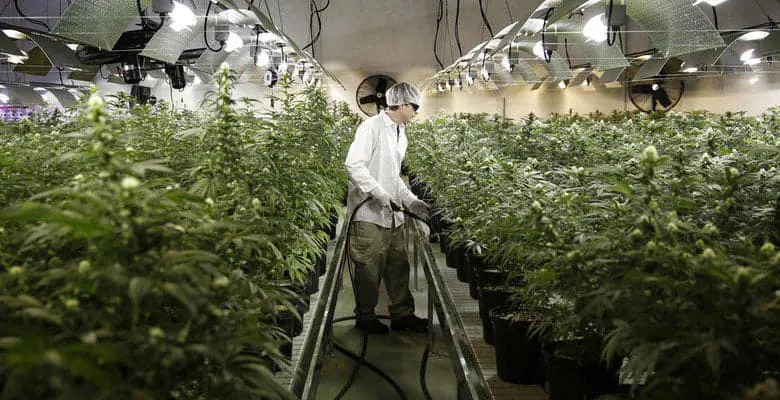
Horticulture with a compliance layer on top, and the layer is most of the job. Plant counts, tagging, waste logs and inventory reconciliation take real time, and a grower who is careless with the paperwork is a licensing problem rather than a gardening one.
Trimming
Seasonal, repetitive and the most accessible role on this list. It is also the one most often paid by weight, which suits fast hands and punishes everyone else. Worth knowing it is a way in rather than a career, and that the hours are concentrated around harvests.
Processing and extraction
The technical end. Extraction runs on solvent handling, pressure vessels and a real safety regime, and residual solvent testing is one of the panels a batch can fail on. Employers here look for laboratory or chemical-process experience far more than for cannabis enthusiasm.
Kitchen and edibles
A food-manufacturing job that happens to involve cannabis, with all the food-safety obligations that implies plus dose consistency on top. Homogeneity is the hard part: every unit in a batch has to carry the same amount, and that is a process-control problem rather than a cooking one.
Compliance
The least glamorous and the most consistently in demand. Somebody has to keep the licence valid, and in an industry where a failed test pulls a batch and a paperwork error can close a site, that person is expensive to replace. Regulatory or audit experience transfers directly.
Security and transport
Licensed, credentialed and often separately regulated, because moving product between licensees has its own rules about vehicles, manifests and value limits. It is a job with a clear ceiling and a clear floor, and the credential requirements are usually stricter than for retail.
Laboratory work
Testing laboratories are licensees too, and they run the panels everything else depends on: cannabinoids, heavy metals, microbial impurities, pesticides, residual solvents, water activity. This is analytical chemistry, and the qualifications are the ordinary ones for that field.
What about the courses
Here is where the other half of this page used to live, as a separate post about where to study cannabis. The honest answer is that a certificate from a private cannabis school is not a credential in any regulatory sense. It is not the permit, and no state accepts it in place of one.
When a course is worth it
When it teaches something transferable that you do not already have — horticulture, food safety, analytical technique, retail compliance — and when it is honest about being education rather than licensing. Judge one the way you would judge any short course, and be sceptical of anything selling access to the industry.
What actually gets people hired
The permit in hand, relevant experience from another industry, and the ability to talk about the product accurately rather than enthusiastically. Retail experience transfers to retail, kitchen experience to kitchens, laboratory experience to laboratories. It is a normal industry with an unusual licensing layer.
Pay, honestly
Entry-level retail and trimming pay what entry-level retail and trimming pay anywhere, and the industry premium people expect largely is not there. Where the money is better is exactly where the qualifications are: extraction, laboratory work and compliance. That is not a cannabis fact, it is an every-industry fact, and it surprises people arriving on enthusiasm.
The instability is real
Licences get suspended, operators consolidate and whole businesses close when a market oversupplies. Anyone moving into this from a stable industry should know that going in. The roles that survive a contraction are the ones a licence cannot operate without, which is compliance, testing and the people who actually make the product.
Where to start
Find your state regulator, read what it requires of a worker, and apply for that. Everything else on this page is easier once it is done, and a surprising number of applications fail at exactly that step.

Questions people ask
Do you need a licence to work in a dispensary?
In most licensed states, yes, and it is issued to you rather than to your employer. The names differ — agent card, worker permit, badge — and it usually involves a background check and a fee. Some states route it through the employer and a few have no individual requirement, so the only reliable answer comes from your own state regulator.
Is a cannabis certificate course worth it?
Not as a credential. A certificate from a private cannabis school is not recognised in any regulatory sense and no state accepts it in place of a worker permit. It can be worth it when it teaches something transferable you do not already have — horticulture, food safety, analytical technique, retail compliance — and when it is honest about being education rather than licensing.
What cannabis job is easiest to get into?
Trimming, usually. It is seasonal, repetitive, concentrated around harvests and often paid by weight, which suits fast hands. Budtending is the other common entry point and rewards product knowledge over experience. Both are ways in rather than destinations; the roles with durable demand are compliance, extraction and laboratory work.
What skills transfer into the cannabis industry?
More than people expect, because it is a normal industry with an unusual licensing layer. Retail experience transfers to retail, kitchen and food-safety experience to edibles manufacturing, analytical chemistry to testing laboratories, and audit or regulatory experience to compliance, which is the most consistently understaffed role of the lot.