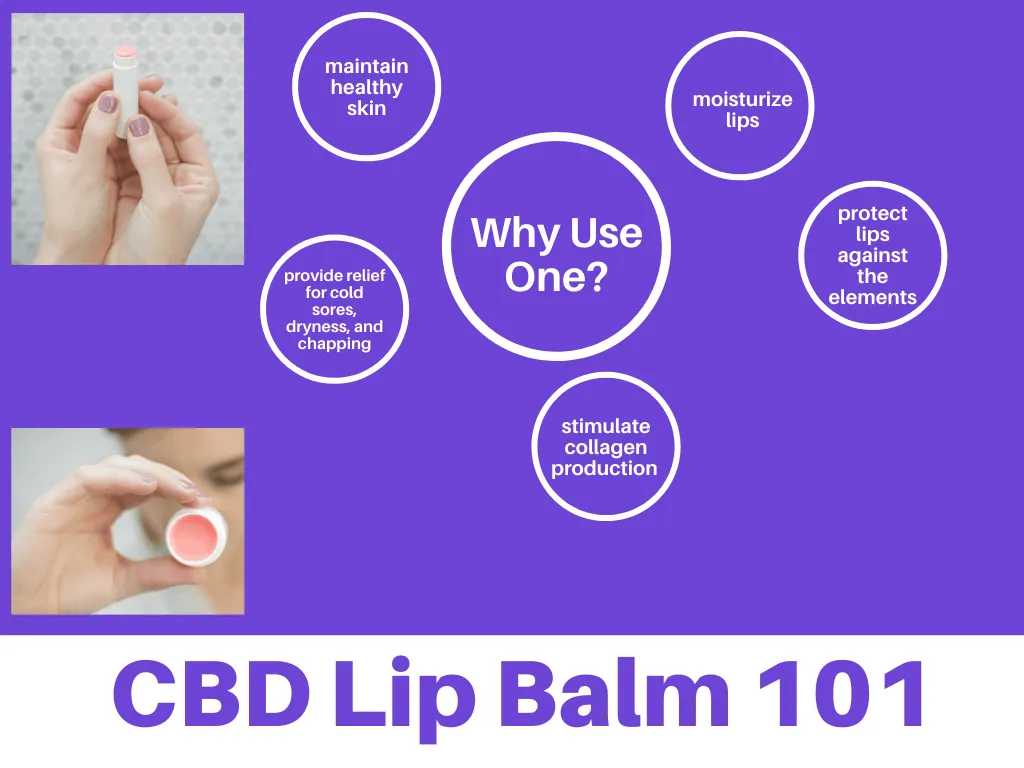
Why lips chap at all
The skin on lips is thin, has no oil glands of its own, and has a much weaker barrier than the skin around it. Water leaves it quickly, cold and wind accelerate that, and licking makes it worse: saliva evaporates and takes more moisture with it, and it carries digestive enzymes that irritate.
Everything a balm does follows from that. It is an occlusive layer that slows water leaving, which is why the base ingredients matter far more than the marketing ones.
What is doing the work
| Ingredient | Job |
|---|---|
| Petrolatum | The most effective occlusive there is, and the dermatology standard for exactly this problem. |
| Beeswax | Seals and gives a balm its structure. The backbone of most natural formulations. |
| Shea or cocoa butter | Emollient: fills the gaps between skin cells and softens. |
| Lanolin | Strongly occlusive and well studied, with a small risk of allergy. |
| Sunscreen | The one ingredient that addresses something a balm otherwise ignores. Lips burn, and lip cancers are a real thing. |
| CBD | Untested on lips, in any amount. |
What CBD has been tested on
There is no trial of CBD on lips. The nearest evidence is a small randomised trial of topical CBD in peripheral neuropathy of the legs, and a cell-culture study of oil-producing cells in skin — neither of which describes a chapped lip.
So the honest summary is: a CBD lip balm is a lip balm, and it will work as well as its base does. If the base is good, the balm is good.
What makes chapping worse
- Menthol, camphor and phenol. The tingle sold as soothing is a counter-irritant, and on already-damaged lips it can prolong the problem. It also encourages reapplying, which is the business model.
- Flavours and fragrance, the commonest cause of contact reactions on lips.
- Salicylic acid, which exfoliates skin that does not need exfoliating.
- Anything you lick off. Flavoured balms invite exactly the behaviour that caused the chapping.
If a balm makes lips feel cold or tingly, that is not the cannabinoid and it is not repair. Plain, unflavoured and boring is the formulation dermatology recommends, and it is usually the cheapest thing on the shelf.
Sun protection is the part people skip
Lips have very little melanin and they are on the most exposed plane of the face. Sun exposure is the main risk factor for actinic cheilitis and for lip cancers, which occur far more often on the lower lip.
A balm with SPF 30 or higher is doing something no cannabinoid claim on the tube can match, and it needs reapplying as often as any other sunscreen — more, because it comes off on cups and food.
What dermatology recommends
The standard advice for chapped lips has not changed in decades and involves nothing exotic: a plain occlusive applied often, no fragrance, no flavour, no counter-irritants, and sun protection when outdoors. Petrolatum is the reference ingredient.
It is worth saying plainly because the lip balm aisle is built on the opposite — tingle, flavour, and a reason to reapply — and because the cheapest tube in it usually follows the advice best.
How often to put it on
- Before exposure, not after: before going out into cold or wind, and before bed in a dry room.
- Whenever lips feel tight, which is the signal that water is leaving faster than it is being held.
- After eating or drinking, since most of it comes off on cups and cutlery.
- Not compulsively. If you are applying every few minutes, the balm is probably part of the problem — check it for menthol, camphor, phenol or flavour.
When chapped lips are something else
Cracking at the corners of the mouth, a patch that stays raw for weeks, a persistent rough white area, or lips that are sore without an obvious cause belong with a doctor or dentist rather than a balm. Angular cheilitis, allergic reactions, deficiencies and, rarely, something more serious all present this way.
What the milligrams mean here
A tube stating 50 mg of CBD holds that across the whole stick, which will be applied in slivers over weeks. Whatever the cannabinoid is or is not doing, the amount reaching your lips at any moment is very small — smaller than any other CBD format on sale.
Which makes the milligram figure on a lip balm the least useful number in this category, and the ingredients list the most useful.
Buying one sensibly
- Read the base first. Petrolatum, beeswax, shea, lanolin: at least one of them near the top.
- SPF 30 or more, if it will be worn outdoors.
- No menthol, camphor or phenol.
- Unflavoured, so you are not tempted to lick it.
- A batch certificate if you are paying for the CBD, since around seven in ten extracts tested in a 2017 JAMA analysis were inaccurately labelled.
Cold sores are a different problem
A tingling, blistering patch on or near the lip is usually a cold sore, which is a herpes simplex recurrence rather than chapping. Balm does not touch it. Antiviral creams work best applied at the first tingle, before the blister forms, and are sold over the counter.
Two practical points. Do not share a balm stick with anyone, and throw yours out after an outbreak — it goes on and off the lesion each time. And a first outbreak, one that will not settle, or sores near the eye are reasons to see someone rather than to wait it out.
What you are paying for
A lip balm is mostly wax and butter, and those cost very little. The CBD version of the same tube typically costs several times more, for an ingredient with no evidence on lips and in an amount that reaches them in slivers.
That is not an argument against buying one — if the base is good, it is a good balm and the cannabinoid is a preference. It is an argument for reading the base first and paying the premium only once you are satisfied the tube would be worth having without it.
Looking after lips for nothing
- Stop licking them. The single biggest change for most people.
- Apply before going out in cold or wind, not after the damage.
- Breathe through your nose where you can; mouth-breathing dries lips overnight.
- Humidify a dry bedroom in winter.
- Drink water, which will not fix chapping but will not hurt.

Questions people ask
Does CBD do anything for chapped lips?
Nothing has tested it on lips. A balm works by sealing water in, and the base — petrolatum, beeswax, shea, lanolin — is what does that. A CBD balm with a good base is a good balm.
Why do some balms make lips worse?
Menthol, camphor and phenol are counter-irritants: the tingle is a sensation rather than repair, and on damaged lips it can prolong the problem while encouraging you to reapply. Flavours invite licking, which is the original cause.
Does lip balm need SPF?
If it is worn outdoors, yes. Lips have little melanin and sun exposure is the main risk factor for actinic cheilitis and lip cancers, which occur far more often on the lower lip.
When should I see someone about my lips?
Cracking at the corners, a patch that stays raw for weeks, a persistent rough white area, or soreness with no obvious cause. Those are not chapping and a balm is not the answer to them.
Sources
- Xu DH, et al. The Effectiveness of Topical Cannabidiol Oil in Symptomatic Relief of Peripheral Neuropathy of the Lower Extremities. Curr Pharm Biotechnol. 2020;21(5):390-402. accessed Sep 18, 2026
- Sun Safety: lips burn too. Centers for Disease Control and Prevention guidance on sun protection. .gov accessed Sep 18, 2026
- Bonn-Miller MO, et al. Labeling Accuracy of Cannabidiol Extracts Sold Online. JAMA. 2017;318(17):1708-1709. accessed Sep 18, 2026