Where the claim comes from
Laboratory work has shown CBD acting on fat cells in culture in ways described as browning — shifting white fat, which stores energy, towards the behaviour of brown fat, which burns it. Rodent studies have reported related metabolic effects.
That is a real line of research and it is the honest origin of every weight-loss claim in this category. It is also cells and rodents, and the step from there to a person on a scale is the step nobody has taken.
The human trial that did measure
A 2016 study in Diabetes Care randomised 62 people with type 2 diabetes across five arms for thirteen weeks: CBD at 100 mg twice daily, THCV at 5 mg twice daily, two combinations, and placebo.
| Arm | What happened |
|---|---|
| CBD, 100 mg twice daily | No significant change in the glycaemic measures against placebo. |
| THCV, 5 mg twice daily | Fasting plasma glucose fell and beta-cell function improved. |
The dose in that CBD arm was 200 mg a day — far more than any weight-loss product delivers. If CBD moved metabolic numbers at any ordinary dose, that is the trial in which it would have shown, and it did not.
The one that worked is not on sale
Tetrahydrocannabivarin is not cannabidiol. It is a different molecule, it behaves differently, and a bottle labelled CBD does not contain a meaningful amount of it. THCV has also been investigated as an appetite suppressant in early work, which is the other half of why the two get confused in marketing copy.
So when an article says a study found cannabinoids improved metabolic measures, the study is almost certainly that one, and the arm that produced the result is the arm you cannot buy.
What fat browning means
The term is worth unpacking, because it does most of the persuading. White fat stores energy; brown fat burns it to produce heat and is abundant in infants and scarce in adults. Browning is the idea of shifting the first towards the behaviour of the second, and it is a genuine and active area of metabolic research.
The gap between that and a supplement is the size of the field. Compounds that brown fat in a dish routinely fail to change anything measurable in a person, and the reasons are mundane: how much reaches the tissue, for how long, and whether the body compensates elsewhere. Those are the questions a trial answers, and for CBD nobody has asked them.
What trials found on appetite
The fullest side-effect record comes from the epilepsy programme at 10 to 20 mg per kilogram of body weight a day. Decreased appetite appears among the commonly reported effects — at doses most people will never take.
That is not an appetite suppressant in any established sense, and nothing follows from it about a 25 mg gummy. What it does rule out is the opposite claim: if CBD drove appetite upwards, that is the dose range where it would have shown.
What actually moves weight
| Approach | Where it stands |
|---|---|
| Sustained change in what and how much is eaten | The only thing every successful approach has in common, and the hardest to maintain. |
| Protein and fibre at each meal | Well studied for fullness, and the easiest change to keep. |
| Sleep | Short sleep shifts the hormones governing hunger and fullness, measurably. |
| Alcohol | Raises intake directly and is the commonest unexamined contributor. |
| Prescribed medicines | A real and rapidly changing field, with substantial trial evidence, and a conversation for a doctor. |
| CBD | No human trial evidence for weight loss at all. |
Why the claim keeps reappearing
Because it is commercially useful and because the mechanism sounds plausible. Fat browning is a genuine area of metabolic research, the language of it is compelling, and nothing on a bottle has to be proven before it is sold.
That combination — a real mechanism, an unregulated shelf and a large market — is how this category produces its most confident claims in exactly the places where the evidence is thinnest.
What a product might still do
If someone taking CBD loses weight, the likelier explanations are the ordinary ones: they changed something else at the same time, they were paying attention to what they ate because they were paying attention generally, or they slept better and ate differently for it.
None of that is nothing. It is simply not a pharmacological effect of the cannabinoid, and attributing it to one makes the next decision worse rather than better.
Reading a weight-loss label
- Milligrams per serving, not per bottle.
- What else is in it. Caffeine, green tea extract and garcinia turn up constantly and have their own literature and their own risks.
- A batch certificate, given around seven in ten extracts in a 2017 JAMA analysis were inaccurately labelled.
- Any claim naming a number of pounds, which is the clearest sign a product is being sold beyond its evidence.
If weight is affecting your health, that is a conversation with a doctor rather than with a supplement aisle. There are prescribed options with real trial evidence, and there are causes worth excluding first.
The products this page covers
Carried across from the earlier version of this page so the formats can be compared side by side. These are not recommendations: we have not tested them, and the details on each need checking against current listings before anyone acts on them.
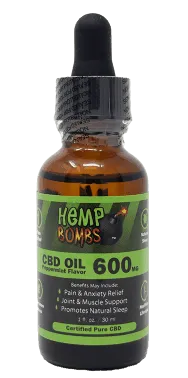
HEMP BOMBS
Hemp Bombs CBD
Premium
- 300 to 4000mg of CBD
This 600mg of full-spectrum Hemp Bombs CBD oil is their highest potency available. They are one of the leaders of the CBD market known for high-quality organic oils in flavors like peppermint and watermelon.
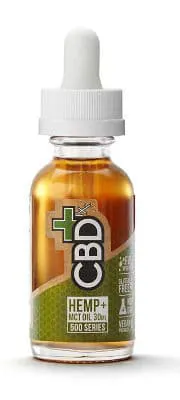
CBDFX
CBDFx Tincture
Premium
- Full-Spectrum CBD Oil
CBD Fx is another leader in the CBD game, and this bottle of their organic oil contains 500mg of their premium, full-spectrum blend. Their website is full of reviews from happy customers who have found relief and wellness through their oils.
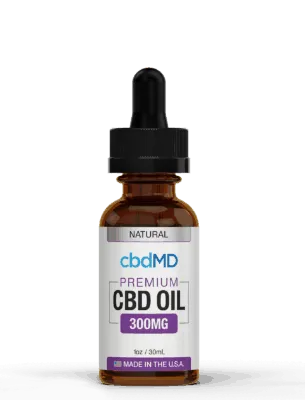
CBDMD
CBDmd Oil Tincture Drops
Premium
- From 300 to 5000mg of CBD
CBDmd is another popular choice if you’re looking for a premium full-spectrum oil (you can prove it going through cbdmd oil reviews). Their oils come in mint, orange, and berry flavors so you’re sure to find a flavor you like if you hate the raw earthy taste of cannabidiol.
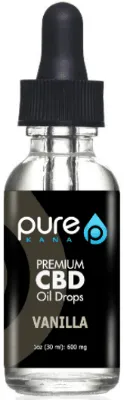
PURE KANA
Pure Kana CBD Vanilla Oil
Premium
- Organic Hemp
- 300, 600 or 1000mg of CBD
Pure Kana’s 300mg bottle of CBD oil contains 40 servings on average and comes in a delicious vanilla flavor. They also host customer reviews on their website, so you can check out what others have to say to see if their oil is right for you.
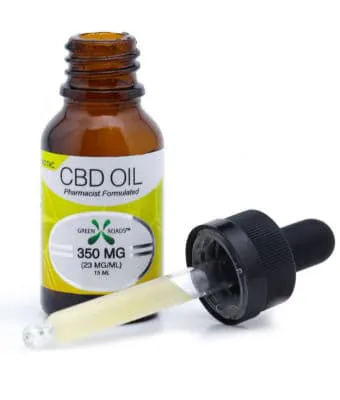
GREEN ROADS
Green Roads CBD Oil
Premium
- 350mg of CBD
- Ideal for Sublingual Use
Green Roads considers this their “middle of the road” dosage of CBD, as each dropper contains about 23mg of cannabidiol. Each bottle contains 350mg of their high-quality organic hemp oil. Browse their site (or read some Green Roads CBD reviews) and find other products like terpene blends that can be mixed with your oil for added plant power.

Questions people ask
Does CBD help you lose weight?
No randomised trial has shown that in people. The case rests on cell and rodent work about fat browning, and the one human trial that measured metabolic outcomes found no change in its CBD arm at 200 mg a day.
What about the study showing cannabinoids improved metabolism?
That is the 2016 Diabetes Care trial, and the arm that moved the numbers was THCV, not CBD. THCV is a different molecule and a bottle labelled CBD does not contain a meaningful amount of it.
Does CBD suppress appetite?
Decreased appetite appears among the commonly reported effects in the high-dose epilepsy trials, at levels far above any retail serving. That is not an appetite suppressant in any established sense.
What should I look for on a weight-loss product?
Milligrams per serving, what else is in it — caffeine and botanical extracts are common and do more than the CBD — and a batch certificate. Any claim naming a number of pounds is being sold beyond its evidence.
Sources
- Jadoon KA, et al. Efficacy and Safety of Cannabidiol and Tetrahydrocannabivarin on Glycemic and Lipid Parameters in Patients With Type 2 Diabetes. Diabetes Care. 2016;39(10):1777-1786. accessed Sep 18, 2026
- Epidiolex (cannabidiol) US prescribing information, including reported adverse reactions. US Food and Drug Administration. .gov accessed Sep 18, 2026
- Bonn-Miller MO, et al. Labeling Accuracy of Cannabidiol Extracts Sold Online. JAMA. 2017;318(17):1708-1709. accessed Sep 18, 2026