Two ingredients, one plant
| Hemp seed oil | CBD | |
|---|---|---|
| Comes from | Pressed seeds | Extracted flower and leaf |
| Cannabinoid content | Essentially none | The point of it |
| On an ingredients list | Cannabis sativa seed oil | Cannabidiol, with a milligram figure |
| Costs | Like a cooking oil | Many times more |
The check takes a second: if there is no milligram figure for CBD anywhere on the bottle, it is seed oil. A great many products lean on hemp leaves and green packaging without ever claiming otherwise.
What seed oil actually does on hair
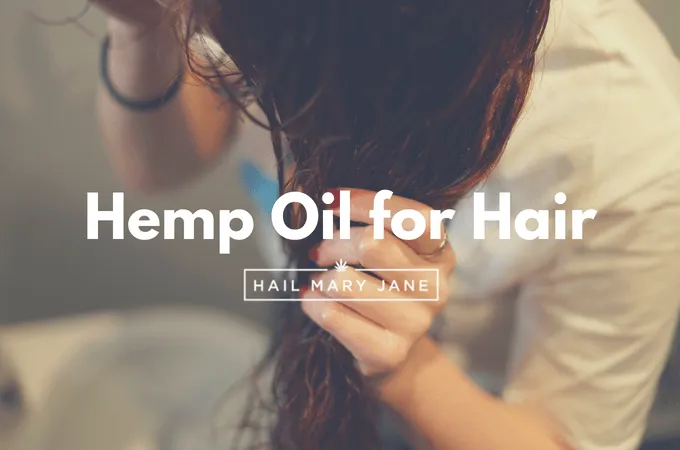
It is a light oil, high in linoleic acid, which makes it a reasonable emollient. On hair, oils do two things: they coat the shaft, which smooths the cuticle and reduces the friction that causes breakage, and some can penetrate the shaft to limit the swelling that happens when hair takes on water.
Hemp seed oil is on the lighter end, which means it weighs fine hair down less than a heavy butter would. That is a sensible property and it is the whole of the case for it.
How the oils compare
| Oil | What it is known for |
|---|---|
| Coconut oil | The most studied for hair: it penetrates the shaft and reduces protein loss from washing, which is a measured effect rather than a claim. |
| Mineral oil | Coats without penetrating. Effective at reducing friction, and cheap. |
| Argan and jojoba | Popular finishing oils, mostly surface effects. |
| Hemp seed oil | Light, absorbs quickly, no penetration evidence of its own. |
What no oil does
Hair is not alive. Nothing applied to the length of it can repair damage, reverse splitting or make it grow; it can only smooth, coat and protect what is there. Growth happens at the follicle, in the scalp, and that is a different problem with different answers.
Which is why "repairing" is the word to distrust on any hair product, cannabinoid or not. Coating a damaged shaft makes it behave better and look better. That is worth having, and it is not repair.
Hair loss is a scalp question
Hair loss has causes worth identifying — pattern hair loss, thyroid problems, iron deficiency, stress shedding after illness, and scarring conditions where delay costs follicles permanently. Two treatments have substantial trial evidence behind them and a doctor can tell you whether they apply. No oil is in that conversation.
What CBD has been tested on
Almost nothing, where hair is concerned. The nearest relevant work is the 2014 cell-culture study of human sebocytes, the oil-producing cells in skin, where CBD reduced oil production and inflammatory signalling. Scalp is skin, so it is a plausible place to look; nobody has looked in a trial.
A CBD scalp product is therefore an untested version of something with an interesting cell-culture result behind it. That is a fair thing to try and an unfair thing to pay a premium for.
What a scalp actually needs
Scalp and hair are two different problems, and most products blur them. Hair is dead protein that can be protected; scalp is living skin with the same needs as the skin on your face.
| Problem | What addresses it |
|---|---|
| Flaking and itch | Usually seborrhoeic dermatitis. Antifungal shampoos — ketoconazole, zinc pyrithione, selenium sulfide — have trial evidence and are sold over the counter. |
| Dryness and tightness | Gentler washing, less heat, and a moisturising conditioner on the length rather than the roots. |
| Build-up | A clarifying wash occasionally. Oils contribute to this, which is why heavy oiling of the scalp can backfire. |
| Thinning | A medical question, not a product question. See below. |
Reading a hair product label
- A CBD milligram figure, or the bottle contains seed oil.
- Where the oil sits in the list. Near the end means a token amount.
- What the shampoo is actually built on — the surfactant does the cleaning and decides how stripping it is.
- Fragrance, the commonest cause of scalp reactions.
- A batch certificate if you are paying a cannabinoid price.
How to use an oil
- Ends first, roots last. The length is what needs protecting; the scalp makes its own oil.
- Before washing, not after, if your hair is fine. A pre-wash oil protects during the wash and rinses out.
- Less than you think. A few drops warmed between the palms.
- On damp hair for smoothing, on dry hair for finishing.
- Patch-test anything fragranced if your scalp reacts.
Carried across from the earlier version of this page so the formats can be compared side by side. These are not recommendations: we have not tested them, and the details on each need checking against current listings before anyone acts on them.
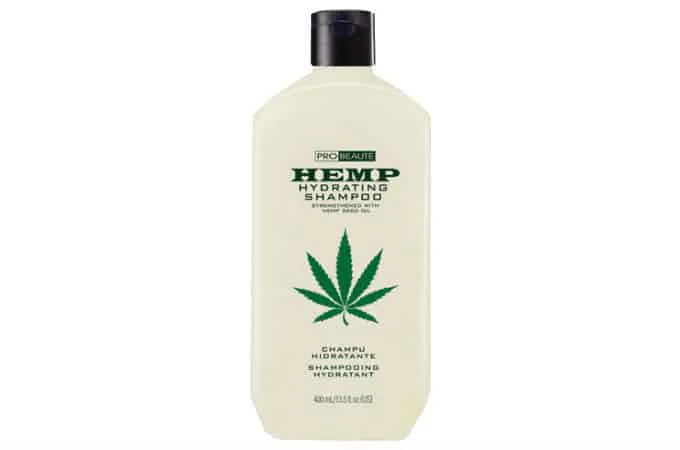
Hemp Hydrating Shampoo
This hydrating shampoo contains cannabis sativa seed extract and oil, as well as keratin amino acids that are color-safe and gentle enough for daily use on all hair types. The hemp proteins bond to the hair to deliver a healthy dose of nourishing amino acids, leaving you with softer, more manageable tresses. Reviewers of this product love that it is non-irritating and works well on scalps that are prone to psoriasis or dandruff.
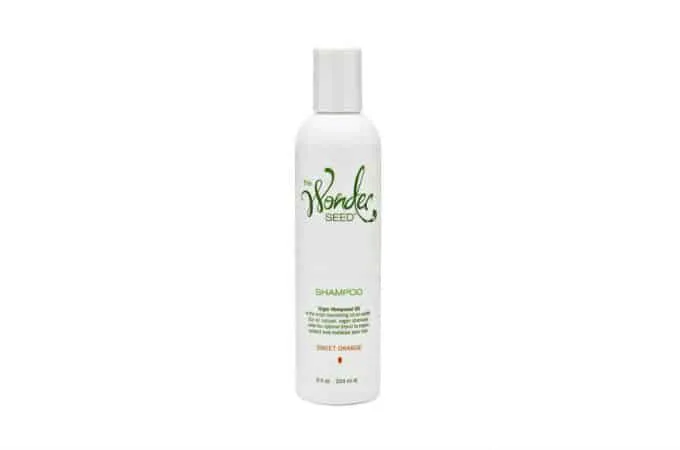
Hemp Shampoo Sweet Orange
This sweet orange hemp oil shampoo combines virgin organic hemp seed oil with organic aloe vera, ginseng extract, coconut oil, nettle extract, jojoba oil, and cocoa butter for a shampoo that gently cleanses your hair while improving its strength, elasticity, bounce, and shine while keeping oil and dryness in balance. The sulfate-free formula means it’s safe for dyed hair and works great as a remedy for itchy and flaky scalps, eczema, and psoriasis.
These are just a few of the many products and recipes available for using hemp oil on your hair. When selecting a hemp oil product, make sure you choose one made with organic seeds to ensure it will not contain unnecessary pesticides or additives. Hemp oil can be used in place of nearly any other cooking oil, so don’t be afraid to experiment to see what it can do as part of your regular beauty routine. Add a couple drops to your existing shampoo, dab some under your eyes before bed for extra moisture, and don’t forget about that luxurious scalp massage. We’re sure you will appreciate yet another way to reap the nutritious, healing benefits of hemp and cannabis, one of the most versatile plants on earth.
What actually damages hair
If the aim is hair that behaves, the things that matter are mostly not in a bottle.
| Cause | What helps |
|---|---|
| Heat styling | Lower temperatures, less often, and a heat protectant — which is mostly silicone, and works. |
| Bleaching and colouring | Longer gaps between processes. Nothing applied afterwards undoes the structural damage. |
| Mechanical stress | Brushing wet hair, tight styles and rough towels. A wide-tooth comb and a softer towel change more than a serum. |
| Washing habits | Conditioner along the length every wash; shampoo mainly at the roots, where the oil is. |
An oil sits on top of all of that, reducing friction and smoothing the cuticle. It is a real contribution and a small one next to not bleaching hair twice in a month.
Hair loss, and what has evidence
Two treatments have substantial randomised evidence behind them for pattern hair loss, and a doctor can say whether they apply to you: topical minoxidil, sold over the counter, and oral finasteride, which is prescribed and is not suitable for everyone. Both take months and both need to be continued.
Everything else in the aisle — oils, serums, thickening shampoos, supplements — works on the appearance of the hair you have. That is worth having and it is a different thing from addressing the loss, and the distinction is the one the category depends on blurring.
When thinning needs a doctor sooner
Sudden or patchy loss, loss with scalp pain, redness or scaling, loss after an illness or a new medicine, or anything that comes with other symptoms. Scarring conditions destroy follicles permanently and the window to act is short, which is the one reason not to spend three months on a shampoo first.
Before paying a CBD price
- A milligram figure for CBD, or it is seed oil.
- Where it sits in the ingredients list: near the end means very little.
- A batch certificate, given around seven in ten extracts in a 2017 JAMA analysis were inaccurately labelled.
- The rest of the formula, which is where the conditioning ingredients are.
The products this page covers

Questions people ask
Is hemp oil the same as CBD oil?
No. Hemp seed oil is pressed from seeds and contains essentially no cannabinoids; CBD is extracted from flower and leaf. If a bottle states no milligrams of CBD, it is seed oil.
Does hemp oil make hair grow?
No oil does. Hair is not alive along its length, so anything applied to it can smooth and protect but cannot repair or grow it. Growth happens at the follicle, which is a scalp question with its own answers.
Which oil has the most evidence for hair?
Coconut oil, which has been shown to penetrate the shaft and reduce protein loss during washing. Hemp seed oil is lighter and absorbs quickly, with no penetration evidence of its own.
Has CBD been tested on scalp or hair?
Not in a trial. The nearest evidence is a 2014 cell-culture study of the oil-producing cells in skin, which found CBD reduced oil production and inflammatory signalling — a reason to look, not a result.
Sources
- Rele AS, Mohile RB. Effect of mineral oil, sunflower oil, and coconut oil on prevention of hair damage. J Cosmet Sci. 2003;54(2):175-192. accessed Sep 18, 2026
- Oláh A, et al. Cannabidiol exerts sebostatic and antiinflammatory effects on human sebocytes. J Clin Invest. 2014;124(9):3713-3724. accessed Sep 18, 2026
- Bonn-Miller MO, et al. Labeling Accuracy of Cannabidiol Extracts Sold Online. JAMA. 2017;318(17):1708-1709. accessed Sep 18, 2026