
Is THCA Legal in Pennsylvania?
Our Complete Guide to Hemp Laws and Compliance in 2024
Introduction
THCA is legal in Pennsylvania when it’s hemp-derived and contains no more than 0.3% Delta-9 THC by dry weight. However, the legal landscape is complex because THCA converts to psychoactive THC when heated, creating potential legal implications for consumers and businesses operating under federal and state regulations.
Pennsylvania follows federal hemp guidelines established by the 2018 Farm Bill, which legalized hemp and hemp-derived products nationwide. The state’s approach to THCA regulation aligns with these federal guidelines while maintaining strict controls on cannabis products that exceed the legal THC limit.
What This Guide Covers
This comprehensive guide examines Pennsylvania’s THCA laws, federal hemp regulations, medical marijuana program considerations, compliance requirements, and the legal risks associated with THCA products. We’ll explain how Pennsylvania regulates THCA products and what consumers need to know about legal compliance.
Who This Is For
This guide is designed for Pennsylvania residents, hemp consumers, business owners, and anyone seeking clarity on THCA’s legal status. Whether you’re considering purchasing THCA products or operating a hemp business, you’ll find essential information about navigating Pennsylvania’s cannabis laws and federal regulations.
Why This Matters
Understanding THCA legality is crucial for avoiding legal trouble, making informed purchasing decisions, and staying compliant with evolving state legislation. The legal landscape for cannabis-derived products continues to shift, making current knowledge essential for both consumers and industry participants.
What You’ll Learn:
- THCA vs THC legal distinctions under Pennsylvania law
- Federal and state guidelines governing hemp-derived THCA products
- Medical marijuana program access and protections
- Compliance requirements and testing standards for legal products
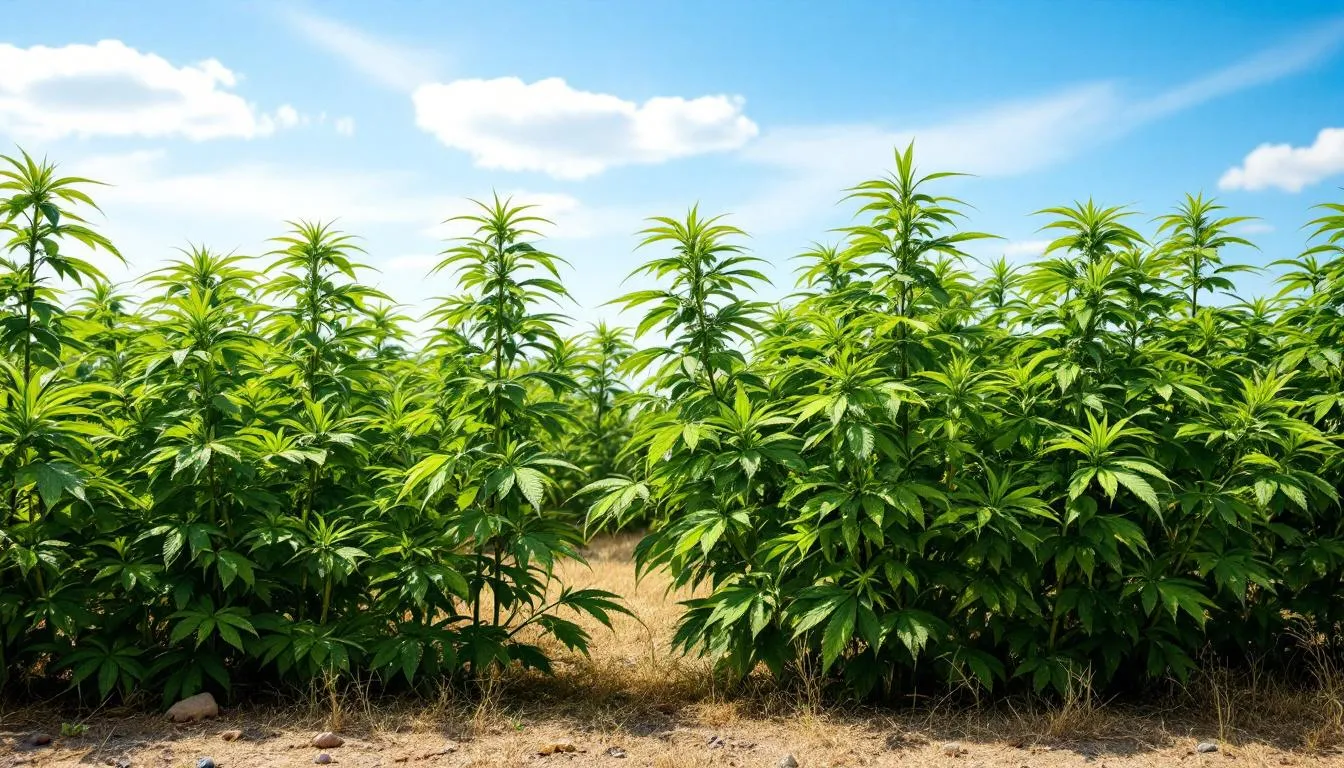
Understanding THCA and Pennsylvania’s Legal Framework
Tetrahydrocannabinolic acid (THCA) is a naturally occurring compound found in cannabis plants that remains non-psychoactive in its raw form. Unlike THC, THCA doesn’t produce psychoactive effects until it undergoes decarboxylation—a process that occurs when the compound is heated through smoking, vaping, or cooking.
Both hemp and marijuana are types of the cannabis plant, but they differ in their THC content. This difference in THC levels impacts their legal status, with hemp containing 0.3% Delta-9 THC or less and marijuana containing higher amounts.
Pennsylvania’s legal framework for THCA operates within federal guidelines while maintaining its own cannabis laws. The state recognizes the distinction between hemp-derived products and marijuana, following the federal definition that classifies cannabis with 0.3% Delta-9 THC or less as federally legal hemp.
This legal distinction matters significantly for Pennsylvania consumers because it determines what products can be legally purchased, possessed, and consumed without participating in the state’s medical marijuana program.
THCA vs THC: Critical Legal Distinctions
The chemical differences between THCA and THC create important legal implications under Pennsylvania law. THCA maintains a similar chemical structure to THC but includes an additional carboxyl group that prevents psychoactive effects. This molecular difference is why THCA is generally legal under hemp regulations while THC remains controlled.
When THCA converts to THC through heat application, the legal status potentially changes. Converting THCA through smoking or vaping may push the total THC content above the legal limit, creating a legal gray area that affects both consumers and retailers.
Federal Foundation: The 2018 Farm Bill’s Impact
The 2018 Farm Bill established the federal framework that legalized hemp-derived products containing 0.3% Delta-9 THC or less. This federal law provides the foundation for THCA legality across states, including Pennsylvania, by removing hemp from the Controlled Substances Act.
The federal government, through the 2018 Farm Bill and ongoing federal regulation, plays a crucial role in shaping state cannabis laws and determining the legality and sale of hemp-derived products containing THCA and other cannabinoids.
Federal influence extends to interstate commerce protections, allowing hemp-derived THCA products to move freely between states that comply with federal hemp guidelines. This creates opportunities for Pennsylvania consumers to access products from licensed producers nationwide while maintaining legal compliance.
Transition: Understanding these federal foundations helps explain how Pennsylvania implements its specific THCA regulations and enforcement practices.
Pennsylvania’s THCA Laws and Regulations
Pennsylvania follows federal hemp guidelines while maintaining its own regulatory structure for cannabis products. The state’s approach creates distinct pathways for accessing THCA through both hemp-derived products and the medical marijuana program.
Hemp-Derived THCA Legality
Hemp-derived THCA products are legal in Pennsylvania for adults 21 and older when they comply with the 0.3% Delta-9 THC limit. These products can be legally purchased, possessed, and consumed without medical marijuana program enrollment, provided they meet testing and labeling requirements.
The Pennsylvania Department of Agriculture oversees hemp cultivation and processing, requiring compliance with federal and state guidelines. Hemp products, including THCA flower, are regulated under both federal and state laws to ensure compliance and safety for consumers. Licensed dispensaries, hemp retailers, and online vendors can legally sell compliant THCA products to Pennsylvania residents.
Pennsylvania law doesn’t impose specific limits on THCA product quantities or potency levels, focusing instead on Delta-9 THC content as the primary compliance measure. This regulatory approach allows for various THCA flower, concentrates, and other cannabis products within the legal framework.
For legal compliance and product quality, consumers should purchase from reputable online sources such as Hemp Hop, which provide third-party lab testing and Certificates of Analysis (COAs).
Medical Marijuana Program Considerations
Pennsylvania’s medical marijuana program provides additional legal protections for registered patients accessing THCA products through licensed dispensaries. Pennsylvania’s medical marijuana program regulates access to THCA products for registered patients, ensuring that only those enrolled in the program can legally obtain these products. Medical marijuana patients can legally possess and consume THCA products with higher THC levels than permitted under hemp regulations.
The state’s medical marijuana program allows for the legal use of THCA products that may exceed federal THC limits, and medical marijuana patients have different permissions and protections compared to non-members. The state’s medical marijuana program covers THCA products derived from cannabis plants with THC levels exceeding the federal limit. This medical program pathway offers broader product access and legal protections compared to hemp-derived alternatives.
Non-medical consumers must rely on hemp-derived THCA products to maintain legal compliance, while medical cannabis patients enjoy expanded access through the regulated dispensary system. THCA is covered under Pennsylvania’s medical marijuana program and is available to registered patients through licensed dispensaries.
Enforcement and Legal Gray Areas
Law enforcement interpretation of THCA products varies across Pennsylvania counties, creating potential inconsistencies in enforcement practices. Some jurisdictions may focus strictly on Delta-9 THC content at the point of sale, while others might consider the potential for THCA conversion during use.
Regional variations in enforcement highlight the importance of understanding local laws and maintaining proper documentation when possessing THCA products. The legal landscape remains complex, potentially leading to confusion among consumers and law enforcement officers unfamiliar with hemp regulations.
Key Points:
- Hemp-derived THCA is legal for adults 21+ with proper compliance
- Medical program provides broader access and legal protections
- Enforcement practices may vary by jurisdiction
Transition: Ensuring compliance requires understanding specific testing standards and verification processes for legal THCA products.
Compliance Requirements and Testing Standards
Legal compliance for THCA products depends on proper testing, labeling, and documentation that demonstrates adherence to federal and state regulations. Understanding these requirements helps consumers make informed purchasing decisions and avoid legal risks.
Growing consumer demand for THCA products is driving regulatory changes and encouraging higher compliance standards across the industry.
Step-by-Step: Verifying Legal THCA Products
When to use this: Before purchasing any THCA product to ensure legal compliance and quality standards.
- Check Certificate of Analysis (COA): Verify that independent lab reports show Delta-9 THC content below 0.3% by dry weight
- Review cannabinoid profiles: Examine THCA levels and other cannabinoids to understand product composition and potential effects
- Confirm hemp-derived source: Ensure products originate from licensed hemp cultivation rather than marijuana plants
- Verify proper labeling: Check for required warnings, ingredient lists, and compliance statements as mandated by state regulations
Comparison: Total THC vs Delta-9 THC Testing
| Testing Method | Legal Status | Enforcement Approach |
|---|---|---|
| Delta-9 THC only | Currently recognized by PA law | Standard enforcement metric |
| Total THC calculation | Not required but recommended | Potential future standard |
| Raw product testing | Legal baseline requirement | Primary compliance measure |
Pennsylvania currently bases legal compliance on Delta-9 THC content in raw products, but industry advocacy groups recommend understanding total THC calculations to prepare for potential regulatory changes. This approach helps consumers and businesses anticipate evolving state legislation that might adopt total THC standards.
Transition: Despite compliance efforts, THCA users may encounter specific legal challenges that require practical solutions.
THCA Legality and Drug Testing
Understanding THCA legality in Pennsylvania requires strategic expertise, particularly when addressing drug testing considerations. THCA flower and hemp derived THCA products maintain full legal compliance in their raw form—adhering to the strict 0.3% delta-9 THC standard—yet present unique considerations for individuals navigating workplace or legal drug screenings. This distinction exists because THCA, while non-psychoactive in its natural state, transforms to THC when subjected to heat, potentially triggering positive results for THC metabolites.
Federal and state regulations establish precise compliance standards, maintaining the legal THC threshold for hemp derived THCA products at exactly 0.3% delta-9 THC by dry weight. Products surpassing this benchmark fall outside Pennsylvania’s legal framework and may create legal exposure for consumers. For THCA product users, particularly those utilizing THCA flower, ensuring proper labeling and current lab reports that verify compliance with legal parameters delivers essential protection and peace of mind.
Consumers benefit from understanding that product compliance at purchase doesn’t eliminate considerations around consumption methods—smoking or vaping THCA converts it into THC, which standard drug tests readily detect. This regulatory landscape means individuals subject to routine drug testing can make informed decisions by weighing potential implications before using hemp derived THCA products. Strategic consultation with medical professionals or legal experts provides clarity on regulatory requirements and ensures alignment with both state compliance standards and employer protocols.
THCA and Public Health
THCA delivers cutting-edge therapeutic potential through advanced cannabinoid science, positioning this naturally occurring compound as a game-changing solution for healthcare professionals and patients seeking tailored alternatives to conventional treatment approaches. Comprehensive research demonstrates that THCA products harness powerful anti-inflammatory, neuroprotective, and antiemetic properties, enabling practitioners to address complex medical challenges with greater precision and confidence. Unlike THC, THCA’s non-psychoactive profile in raw form creates actionable therapeutic opportunities for patients who require medical benefits without intoxication, maximizing treatment outcomes while minimizing unwanted effects.
Pennsylvania’s medical marijuana program leverages sophisticated regulatory frameworks to deliver comprehensive cannabis solutions, including cutting-edge THCA products, to qualifying patients seeking evidence-based therapeutic interventions. Through strategic partnerships with licensed physicians, medical marijuana patients gain access to advanced cannabis-derived formulations specifically designed to address their unique health requirements and drive optimal therapeutic results. As the cannabis industry continues to evolve with innovative technologies and methodologies, state and federal guidelines must adapt rapidly to ensure THCA products are manufactured, labeled, and distributed using robust quality control systems that prioritize public safety and therapeutic efficacy.
Strategic regulatory implementation combined with comprehensive consumer education programs enables healthcare providers and patients to harness the full potential of THCA while maintaining rigorous safety standards and minimizing operational risks. As emerging research continues to validate THCA’s therapeutic capabilities, Pennsylvania’s adaptive approach to medical marijuana and cannabis product regulation will drive continued innovation and responsible implementation within the state’s evolving legal framework, delivering sustainable solutions that support both patient outcomes and industry growth.
Consumer Education and THCA
In today’s rapidly evolving cannabis regulatory environment, cutting-edge consumer education delivers actionable insights for navigating complex THCA product landscapes with greater confidence. THCA products, while maintaining legal status in their raw form throughout Pennsylvania, present real-world challenges when improperly sourced or utilized—particularly since thermal conversion processes that transform THCA into THC carry significant legal implications. Understanding both therapeutic potential and associated risk factors enables informed, strategic decision-making that drives optimal outcomes.
Consumers should prioritize acquiring THCA products featuring comprehensive laboratory validation and transparent labeling protocols, ensuring full compliance with state regulatory frameworks and cannabinoid content verification. Consulting with specialized retailers possessing industry expertise or qualified medical professionals helps address uncertainties regarding product deployment, legal positioning, and physiological effects. Maintaining awareness of evolving state and federal regulatory developments remains crucial, as the cannabis sector continues advancing and emerging legislation may impact product availability and legal standing.
By emphasizing strategic education and comprehensive awareness initiatives, consumers can confidently navigate THCA legality complexities, support responsible industry practices, and implement choices that align with both wellness objectives and regulatory obligations. Our approach involves understanding regulatory requirements, analyzing product specifications, and designing informed consumption strategies that harness the full potential of these advanced cannabinoid technologies.
Common Legal Challenges and Solutions
Pennsylvania THCA users face several recurring legal issues related to product conversion, law enforcement interactions, and vendor reliability. Although recreational cannabis remains illegal in Pennsylvania, hemp-derived THCA products are legally available as long as they comply with federal and state THC concentration limits, highlighting the important distinction between hemp and recreational cannabis. Understanding these challenges helps consumers navigate the legal framework more effectively.
Challenge 1: THCA Conversion During Use
Solution: Understand that consuming THCA products through heating methods converts the compound to THC, potentially creating legal implications if the resulting THC content exceeds legal limits.
Consider consumption methods and their legal implications before using THCA products, particularly when traveling or in situations where law enforcement contact is possible.
Challenge 2: Law Enforcement Confusion
Solution: Carry Certificate of Analysis documentation and understand your rights regarding hemp-derived products under federal and state laws.
Many law enforcement officers remain unfamiliar with hemp regulations and THCA legality, making proper documentation essential for demonstrating legal compliance during any interactions.
Challenge 3: Purchasing from Unreliable Sources
Solution: Research vendors thoroughly and verify their compliance with Pennsylvania regulations before making purchases.
Look for retailers who provide comprehensive lab reports, maintain proper licensing, and demonstrate knowledge of current cannabis laws and hemp regulations.
Transition: These practical considerations lead to specific action steps for maintaining legal compliance and accessing quality THCA products.
Conclusion and Next Steps
THCA remains legal in Pennsylvania when derived from hemp and complying with the 0.3% Delta-9 THC limit, though the conversion to psychoactive THC creates ongoing legal complexities. The state’s alignment with federal guidelines provides a framework for legal access while maintaining important compliance requirements.
To get started:
- Verify product compliance by reviewing lab reports and ensuring Delta-9 THC content stays below legal limits
- Research reputable vendors who demonstrate knowledge of Pennsylvania regulations and provide proper documentation
- Consider medical marijuana program enrollment if you’re a qualifying patient seeking broader legal protections and product access
Related Topics: Pennsylvania hemp cultivation licensing, other cannabinoid legality under state law, and medical marijuana program benefits for qualifying conditions.
Additional Resources
Pennsylvania Department of Agriculture Hemp Program Contact information for hemp cultivation and processing regulations, compliance guidance, and licensing requirements.
State Hemp Regulations Current Pennsylvania hemp laws, testing requirements, and regulatory updates affecting THCA products and cannabis industry operations.
Medical Marijuana Program Resources Enrollment information for qualifying patients seeking access to regulated cannabis products through licensed dispensaries with expanded legal protections.