
THCP vs THCA:
Which Cannabinoid is Right for You?
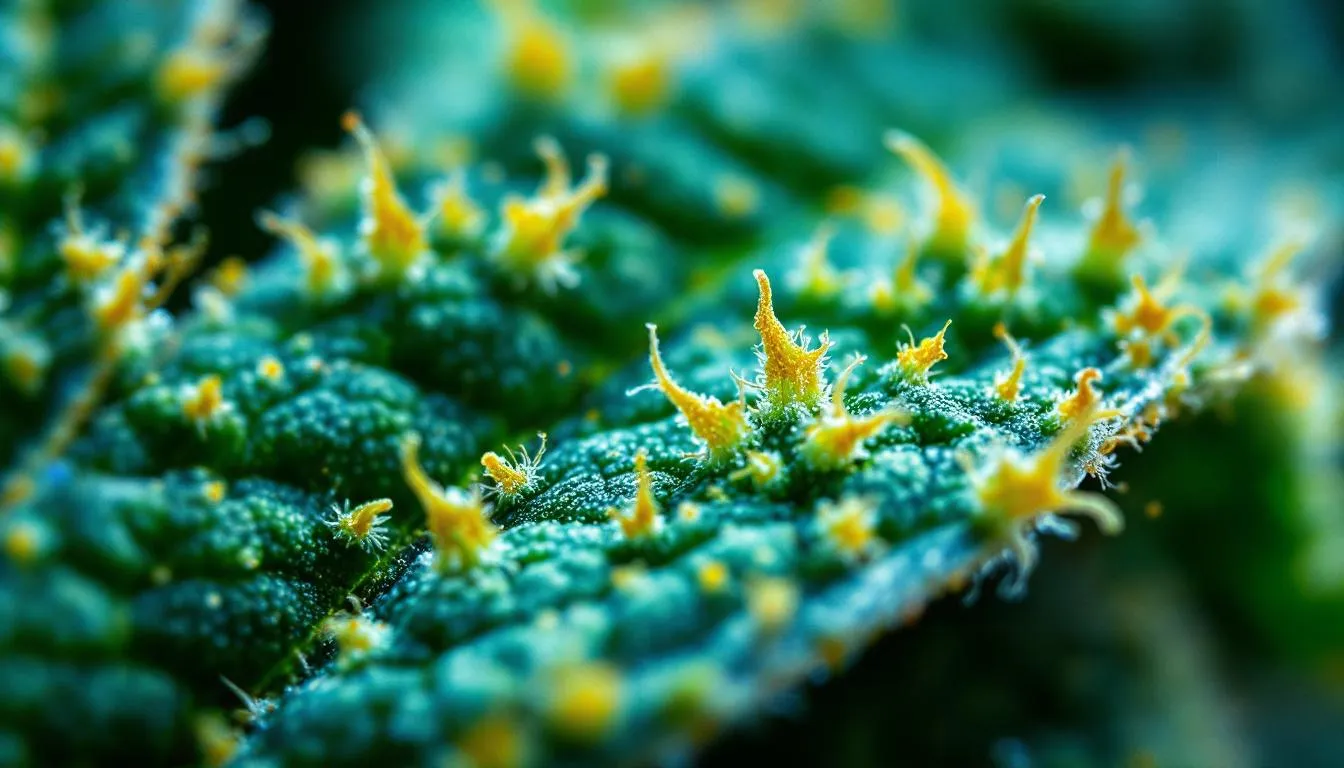
The cannabis plant produces over 100 different naturally occurring cannabinoid compounds, but few generate as much interest—and confusion—as THCP and THCA. These two cannabinoids represent opposite ends of the cannabis experience spectrum, yet many users struggle to understand which one aligns with their needs.
THCP stands out as an ultra-potent psychoactive compound that binds to cannabinoid receptors with 33 times more affinity than delta 9 thc, while THCA remains completely non-intoxicating until heated. This fundamental difference affects everything from legal status to therapeutic applications, making your choice between them crucial for achieving your desired outcomes.
Whether you’re seeking intense psychoactive effects or therapeutic benefits without impairment, this comprehensive guide will help you navigate the key differences between these hemp derived cannabinoids and determine which cannabinoid best matches your experience level, legal requirements, and wellness goals.
Choose the Right Cannabinoid for Your Needs
THCP and THCA represent fundamentally different approaches to cannabis consumption, with effects so distinct they might as well be different plants entirely. While both compounds originate from the same cannabis sativa plant, their impact on your body’s endocannabinoid system creates vastly different experiences.
THCP delivers ultra-potent psychoactive effects that can overwhelm even experienced cannabis users, with effects lasting up to 24 hours from a single dose. This psychoactive cannabinoid produces such intense euphoria and altered perception that it’s earned a reputation as one of the most potent cannabinoids available in cannabis products today.
In contrast, THCA offers therapeutic potential without any intoxicating effects in its raw form. Preliminary research suggests that THCA may provide medical benefits, including pain relief, anti-nausea, anti-inflammatory, and neuroprotective effects, making it a promising option for those seeking medicinal advantages without a high. This naturally occurring cannabinoid found in fresh cannabis flower provides anti-inflammatory and neuroprotective benefits while allowing users to maintain complete mental clarity and functionality throughout their day.
Your choice between these cannabinoids should depend on three critical factors: your desired effects (recreational versus therapeutic), your experience level with cannabis compounds, and the legal landscape in your jurisdiction. Understanding these differences will prevent uncomfortable experiences and ensure you select the cannabinoid that truly serves your needs.
What Makes These Cannabinoids Unique?
THCP – Ultra-Potent Psychoactive Experience
THCP’s discovery in 2019 by Italian researchers revolutionized cannabis research and challenged everything scientists thought they knew about cannabinoid potency. This psychoactive compound features a unique seven carbon atoms chain structure that allows it to bind to CB1 receptors with unprecedented strength—delivering potent psychoactive effects that far exceed those of traditional thc. THCP is structurally similar to delta-9 THC, and this similarity is a key factor in thcp’s potency, as it enables THCP to bind more effectively to cannabinoid receptors, resulting in much stronger psychoactive effects.
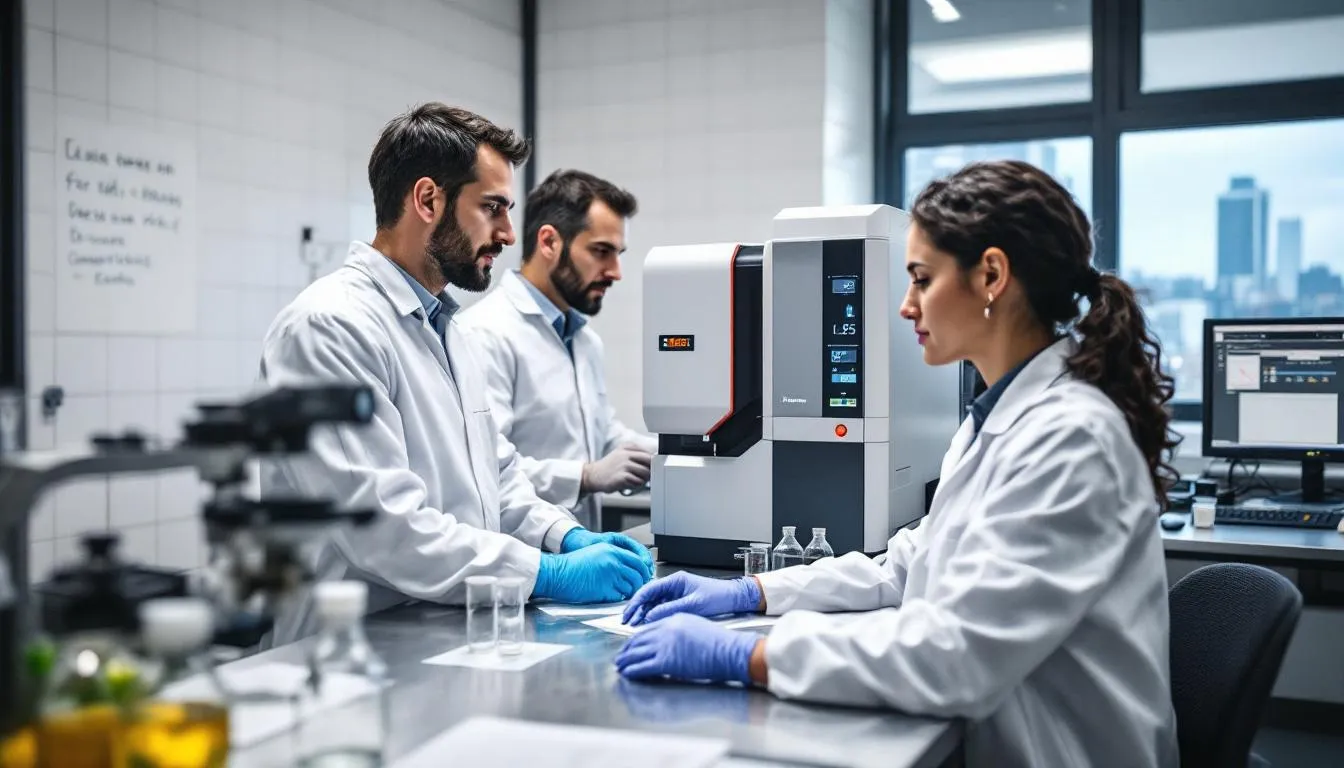
The structural difference between THCP and other cannabinoids might seem minor, but its impact is revolutionary. While delta 9 thc has a five-carbon chain, THCP’s seven-carbon chain creates a molecular key that fits cannabinoid receptors much more precisely, resulting in heightened potency that can be 30-33 times stronger than conventional THC products.
Although thcp does occur naturally in cannabis plants, it is found only in very small amounts that are not sufficient for commercial extraction or significant psychoactive effects. Most commercial thcp products are created through synthetic conversion from hemp derived CBD because thcp occurs naturally in only trace amounts in cannabis plants. This means that most THCP on the market is thcp synthetic, produced from cannabinoids extracted from legal hemp plants to comply with federal THC limits. This synthetic production process allows manufacturers to create consistent, potent products while maintaining compliance with federal law regarding hemp derived cannabinoids.
Key benefits of THCP include:
Extremely potent effects requiring minimal dosing
Potential therapeutic benefits for severe pain and sleep disorders
Long-lasting relief that can extend 12-24 hours
Available in various product forms including vapes, edibles, and concentrates
May be more cost-effective due to smaller required doses
However, THCP is recommended only for experienced cannabis users who understand their tolerance levels and can handle intense psychoactive experiences. Thcp’s potency is significantly higher than delta-9 THC, as it binds strongly to CB1 receptors, producing much more intense psychoactive effects. New users often find THCP overwhelming, leading to anxiety, paranoia, and extended periods of impairment that interfere with daily activities.
THCA – Naturally Occurring Cannabinoid with Non-Psychoactive Therapeutic Potential
THCA serves as the acidic precursor to THC (tetrahydrocannabinolic acid), naturally abundant in raw cannabis plants before any heat application triggers decarboxylation. This naturally occurring cannabinoid found in fresh cannabis sativa inflorescence offers a completely different approach to cannabinoid therapy—one that prioritizes therapeutic effects while eliminating psychoactive complications.
Unlike its heated counterpart, THCA doesn’t activate CB1 receptors in ways that produce intoxication. Instead, it interacts with your endocannabinoid system through anti-inflammatory pathways and neuroprotective mechanisms that support overall wellness without altering consciousness or cognitive function.
Users can consume THCA raw in smoothies, cold-pressed juices, or unheated tinctures to access its therapeutic potential. Many people add fresh cannabis flower to their morning smoothies or use THCA concentrates in salad dressings, maintaining the compound’s beneficial properties while avoiding any psychoactive transformation.
Key benefits of THCA include:
Zero intoxication or cognitive impairment
Potential anti-inflammatory effects that may help with arthritis and chronic pain
Neuroprotective properties that support brain health
Legal in more jurisdictions due to non-psychoactive nature
Suitable for daytime use without lifestyle disruption
May help with nausea and appetite without causing euphoria
THCA’s therapeutic profile makes it particularly appealing for medical patients, professionals who need to remain alert, and anyone seeking cannabis benefits without the complications of intoxication. Early studies suggest THCA may offer significant health benefits while allowing users to maintain full functionality in their daily lives.
THCP vs THCA: Key Differences Explained
Understanding the fundamental differences between THCP and THCA helps you make informed decisions about which cannabinoid aligns with your goals and lifestyle. These compounds operate through completely different mechanisms, producing distinct effects that serve different user needs.
Psychoactive Effects
The psychoactive divide between THCP and THCA represents the most significant difference between these cannabinoids. THCP produces intense, overwhelming psychoactive effects that can leave even experienced users feeling uncomfortably high for extended periods. Users report powerful euphoria, altered time perception, and strong body effects that can interfere with normal activities for up to 24 hours. THCP effects are notable for their strong psychoactive and therapeutic impact, with a potency that surpasses THC, but they also come with potential side effects such as anxiety and cognitive impairment.
THCP’s potent form creates such strong binding with CB1 receptors that users often experience anxiety, paranoia, and cognitive impairment even from small doses. The primary psychoactive compound in THCP products can trigger intense reactions that catch users off-guard, especially when consuming edibles with delayed onset times. User experiences with THCP’s effects vary widely, as there is a lack of comprehensive research, and its impact can differ significantly depending on dosage and individual tolerance.
THCA produces zero psychoactive effects in its raw form, allowing users to access potential therapeutic benefits while maintaining complete mental clarity. This naturally occurring cannabinoid doesn’t bind to CB1 receptors in ways that cause intoxication, making it ideal for users who need to remain functional throughout their day.
The absence of psychoactive effects in THCA means users can drive, work, parent, and handle responsibilities without any impairment concerns. This makes THCA particularly valuable for medical patients who need consistent therapeutic support without lifestyle disruptions.
Potency and Dosing
THCP requires extreme caution in dosing due to its heightened potency compared to traditional cannabis products. The key difference between THCP and THC lies in their chemical structure: THCP has a longer alkyl side chain with seven carbon atoms, compared to THC’s five, which allows THCP to interact more strongly with CB1 receptors and results in much more potent psychoactive effects. While a typical THC edible might contain 5-10mg for therapeutic effects, THCP products may require as little as 0.1-0.2mg to produce significant psychoactive effects. This potency difference means standard dosing guidelines for other cannabinoids don’t apply to THCP products.

The delayed onset with THCP edibles creates additional dosing challenges. Users often consume more than needed because effects can take 2-4 hours to fully manifest, leading to uncomfortably intense experiences that last much longer than expected. This delayed reaction makes micro-dosing essential for safe THCP consumption.
THCA offers predictable, manageable effects with no risk of overdose intoxication. Users can consume standard doses without worrying about overwhelming psychoactive reactions, making it much easier to find effective therapeutic amounts. The lack of intoxicating effects means users can adjust their THCA dosing based on therapeutic needs rather than tolerance concerns.
Standard THCA dosing typically ranges from 10-50mg depending on the desired therapeutic outcome, with many users finding benefits from consistent daily doses. This predictability makes THCA much more suitable for new users or those seeking consistent therapeutic support.
Legal Status
The legal landscape for these cannabinoids reflects their different psychoactive profiles and potential for abuse. THCP exists in a legal gray area because while hemp derived versions may be federally legal under the 2018 Farm Bill, many states are implementing specific restrictions due to its intoxicating effects. Is THCP legal? The answer depends on both federal and state laws—federally, hemp-derived THCP may be permitted if it meets certain criteria, but individual states may have stricter regulations or outright bans, making the legal status of THCP highly variable and still evolving.
THCP’s status as an intoxicating hemp derived cannabinoid makes it subject to increasing state-level scrutiny. Some states classify THCP as a controlled substance, while others allow hemp-derived versions to be sold in licensed dispensaries alongside other cannabis products. The synthetic nature of most commercial THCP adds additional regulatory complexity. When considering any THCP product, it is important to understand the legal status and potential risks associated with its use, as regulations and enforcement can differ widely by jurisdiction.
THCA enjoys broader legal acceptance because it remains non-intoxicating until heated. Most jurisdictions that allow hemp products permit THCA sales as long as total THC content (including potential THC after decarboxylation) remains below 0.3% by dry weight. This means that thc levels in hemp-derived products must remain under 0.3% to comply with federal law, making thca legal in many states where other cannabinoids face restrictions.
However, thca flower that converts to THC when smoked creates legal complications. While the raw flower may comply with hemp regulations, smoking it transforms THCA into psychoactive THC, potentially violating local cannabis laws. Users must understand these nuances to avoid legal issues.
The evolving regulatory environment means both cannabinoids face potential future restrictions. State laws continue changing as legislators grapple with regulating hemp derived cannabinoids that weren’t specifically addressed in original hemp legislation.
Drug Test and Detection: What You Need to Know
The cannabis industry delivers breakthrough innovations as new cannabinoids like THCP gain market traction, making drug testing and detection insights more critical than ever. THCP, a naturally occurring cannabinoid found in trace amounts within the cannabis plant—specifically the cannabis sativa inflorescence—delivers potent psychoactive effects and heightened affinity for cannabinoid receptors. This creates direct implications for users facing drug testing requirements.
THCP’s chemical structure aligns closely with delta 9 THC, the primary psychoactive compound in cannabis. THCP binds to cannabinoid receptors with superior potency, producing more intense psychoactive effects than traditional THC. This structural similarity means your body metabolizes THCP into byproducts nearly indistinguishable from those produced by delta 9 THC. Standard drug tests designed to detect THC metabolites will return positive results if you’ve consumed THCP products, whether they are hemp derived or sourced from cannabis sativa.
THCP’s legal status creates additional complexity layers. Hemp derived cannabinoids maintain federal legality under the 2018 Farm Bill, yet many states have moved to ban intoxicating hemp derived cannabinoids, including THCP, due to their potent psychoactive effects. Some jurisdictions classify THCP as a controlled substance, making possession or use subject to legal penalties. Staying informed about federal law and your local state laws becomes essential before purchasing or consuming THCP products.
Product quality and safety represent critical considerations. THCP occurs naturally only in trace amounts, driving most commercial THCP products to be synthesized from hemp derived cannabinoids. This process, combined with limited comprehensive regulation, can create inconsistencies in potency, contamination, and inaccurate labeling. Minimizing risks requires purchasing THCP products from licensed dispensaries or reputable manufacturers that provide third-party lab testing and certificates of analysis. This ensures you get products that are both safe and accurately labeled.
Health perspectives show early cannabis research and scientific reports suggest THCP may offer potential benefits similar to delta 9 THC, including pain relief and anti-inflammatory effects. Growing interest surrounds its possible role in preventing metabolic disease caused by diet induced obesity, plus its impact on chronic bronchitis and other conditions. More research is needed to fully understand THCP’s effects, therapeutic potential, and long-term safety profile.
Drug testing requirements for work, athletics, or other reasons make it crucial to recognize that consuming THCP—even if legal in your area—can result in positive drug tests. This applies to all forms of THCP, whether found naturally in cannabis plants or produced synthetically. THCP’s effects can be influenced by other cannabinoids, such as THC-O and delta-8 THC, which interact with the body’s endocannabinoid system in complex ways.
Protecting your health and legal standing requires prioritizing responsible use and staying informed about the latest developments in cannabis research and regulation. Consulting with healthcare professionals addresses concerns about THCP’s effects, potential drug interactions, or its impact on drug testing. The National Institute on Drug Abuse and other reputable organizations offer valuable resources for understanding cannabinoid risks and benefits.
The cannabis industry continues innovating as more THCP products become available, making staying up-to-date with scientific findings and legal changes essential. Making informed decisions and choosing high-quality, lab-tested products enables you to safely explore this potent cannabinoid’s potential benefits while minimizing risks related to drug testing, legal status, and health.
THCP represents a powerful and complex cannabinoid that requires careful consideration—especially for those concerned about drug detection and legal compliance. Understanding how THCP interacts with drug tests, staying aware of evolving state and federal laws, and prioritizing your well-being enables you to navigate the cannabinoid landscape with confidence and responsibility.
What Cannabis Users Say
Real-world experiences from cannabis users provide valuable insights into how THCP and THCA perform outside laboratory settings. User testimonials reveal both the potential benefits and unexpected challenges of these cannabinoids.
THCP enthusiasts frequently emphasize the compound’s exceptional potency and long-lasting effects. Many experienced users appreciate needing much smaller doses to achieve desired effects, making THCP products potentially more cost-effective despite higher initial prices. However, these same users consistently warn about the importance of careful dosing and the risk of overwhelming experiences.
“I’ve been using cannabis for over a decade, but THCP caught me completely off-guard,” reports one experienced user. “What would normally be a comfortable edible dose left me uncomfortably high for nearly 18 hours. Now I use literally one-tenth of my normal dose, and it’s incredibly effective for my chronic pain.”
Many THCP users recommend combining it with CBD to moderate its intense effects and reduce anxiety. This combination approach helps users access THCP’s therapeutic potential while minimizing uncomfortable psychoactive side effects that can accompany its use.
THCA users consistently praise the compound’s therapeutic benefits without lifestyle disruption. Medical patients particularly appreciate being able to manage symptoms while maintaining full cognitive function for work, family responsibilities, and daily activities.
“THCA has been a game-changer for my arthritis,” shares a medical patient. “I can manage my inflammation and pain throughout the day without any of the mental fog or impairment I experienced with traditional THC products. I actually added it to my morning smoothie routine.”
Cannabis experts frequently recommend THCA for new users or those returning to cannabis after negative experiences with traditional THC products. The absence of psychoactive effects allows users to explore cannabinoid therapy without risking uncomfortable intoxication.
Professional users, including healthcare workers and educators, often choose THCA specifically because it allows them to access potential health benefits while maintaining professional obligations that require sobriety. Many report using THCA during work hours without any performance concerns.
Both user groups emphasize the importance of product quality and third-party testing. Experienced cannabis users stress that the potency differences between these cannabinoids make reliable, accurate labeling essential for safe consumption.
Usage and Administration Overview
The consumption methods for THCP and THCA reflect their different properties and intended effects. Understanding proper administration techniques helps users maximize benefits while minimizing risks associated with each cannabinoid.
Consumption Method | THCP | THCA | Onset Time | Duration |
|---|---|---|---|---|
Vaping | High bioavailability, rapid onset | Converts to THC when heated | 5-15 minutes | 2-6 hours |
Edibles | Delayed onset, long duration | Raw forms maintain THCA properties | 30 minutes-4 hours | 4-24 hours |
Tinctures | Sublingual absorption | Raw tinctures preserve THCA | 15-45 minutes | 2-8 hours |
Raw consumption | Not applicable | Smoothies, juices, salads | 30-90 minutes | 4-8 hours |
Smoking/Vaping flower | Converts hemp flower compounds | THCA flower becomes THC | 5-15 minutes | 2-6 hours |
THCP products require verification through third-party testing to ensure accurate potency labeling. The extreme potency of THCP makes precise dosing critical, and many products on the market contain inconsistent or inaccurate cannabinoid levels. Users should only purchase THCP from reputable sources that provide comprehensive certificates of analysis.
Quality THCP products typically include detailed dosing instructions, warnings about delayed onset times, and recommendations for new users. Many manufacturers now include CBD in their THCP formulations to help moderate the intense psychoactive effects and reduce the risk of anxiety or paranoia.
THCA consumption offers more flexibility because users can choose whether to preserve its non-psychoactive properties or convert it to THC through heating. Raw THCA consumption through smoothies, cold-pressed juices, or unheated tinctures maintains its therapeutic benefits without any intoxication.
When users vape thca flower or smoke THCA products, the heat triggers decarboxylation, converting THCA into psychoactive THC. This transformation allows users to access THC effects from legally compliant THCA products, though it changes the compound’s legal status and effects profile.
Both cannabinoids benefit from consistent, measured dosing regimens. Users should start with minimal amounts and gradually increase until they achieve desired effects, particularly with THCP where even small increases can dramatically impact the experience intensity.
Storage considerations differ between these cannabinoids. THCP products require standard cannabis storage in cool, dark places to maintain potency, while raw THCA benefits from refrigeration to preserve its acidic form and prevent unwanted decarboxylation.
Which Cannabinoid is Right for You?
Selecting between THCP and THCA depends on your specific goals, experience level, and lifestyle requirements. This decision-making framework helps you evaluate which cannabinoid aligns with your needs while considering important safety and legal factors.
Choose THCP if you want:
Extremely potent psychoactive effects – THCP delivers more intense euphoria and altered perception than any other widely available cannabinoid. If you’re seeking powerful recreational experiences or need strong effects for severe symptoms, THCP’s heightened potency may justify its risks and complexities.
Long-lasting therapeutic benefits with intoxication – For users managing severe chronic pain, extreme insomnia, or other conditions that haven’t responded to traditional cannabis products, THCP’s extended duration and potency might provide relief that other cannabinoids can’t match.
You’re an experienced cannabis user with high tolerance – THCP is only appropriate for users who understand their cannabis tolerance, can handle intense psychoactive experiences, and have the time and space to manage effects that can last up to 24 hours.
You can access quality-tested products from licensed sources – The extreme potency of THCP makes product quality and accurate labeling essential. Only choose THCP if you can verify product contents through third-party testing and purchase from reputable licensed dispensaries or established hemp retailers.
THCP carries significant risks including anxiety, paranoia, impaired judgment, and extended periods of intoxication that can interfere with responsibilities. The synthetic nature of most THCP products and evolving legal status add additional considerations for potential users.
Choose THCA if you want:
Therapeutic benefits without intoxication – THCA provides anti-inflammatory, neuroprotective, and pain-relieving effects while allowing complete mental clarity and functionality. This makes it ideal for users seeking cannabis benefits without psychoactive complications.
Ability to function normally while using cannabis – Professional responsibilities, parenting duties, driving requirements, and other daily activities remain completely unaffected by THCA consumption. Users can maintain their normal routines while accessing potential therapeutic benefits.
Legal compliance in most jurisdictions – THCA’s non-psychoactive nature and legal status under hemp legislation make it accessible in many areas where other cannabinoids face restrictions. This provides peace of mind for users concerned about legal complications.
Gentle introduction to cannabinoid therapy – New cannabis users or those returning after negative experiences with THC can explore cannabinoid benefits through THCA without risking overwhelming psychoactive effects. This allows gradual exploration of cannabis compounds.
The choice between these cannabinoids ultimately reflects your priorities regarding intoxication, therapeutic goals, and lifestyle compatibility. THCP serves experienced users seeking intense effects despite significant risks, while THCA offers therapeutic potential with minimal complications for users of all experience levels.
Cannabis research continues evolving, and more research will likely reveal additional benefits and applications for both cannabinoids. Scientific reports suggest both compounds may offer unique therapeutic effects, but current evidence strongly supports THCA for users prioritizing safety and functionality.
Before choosing either cannabinoid, verify your local state laws and consider consulting healthcare providers familiar with cannabis medicine. The cannabis industry continues developing new products and formulations, but product quality and accurate labeling remain essential regardless of which cannabinoid you choose.
Remember that individual responses to cannabinoids vary significantly based on genetics, tolerance, metabolism, and other factors. What works effectively for other users may not produce the same results for you, making careful experimentation with minimal doses essential for finding your optimal cannabinoid therapy.
Both THCP and THCA represent exciting developments in cannabis science, offering different approaches to accessing the potential health benefits of hemp derived cannabinoids. Your choice should reflect your specific needs, risk tolerance, and commitment to responsible consumption practices that prioritize both safety and effectiveness.